.png)
Mô tả
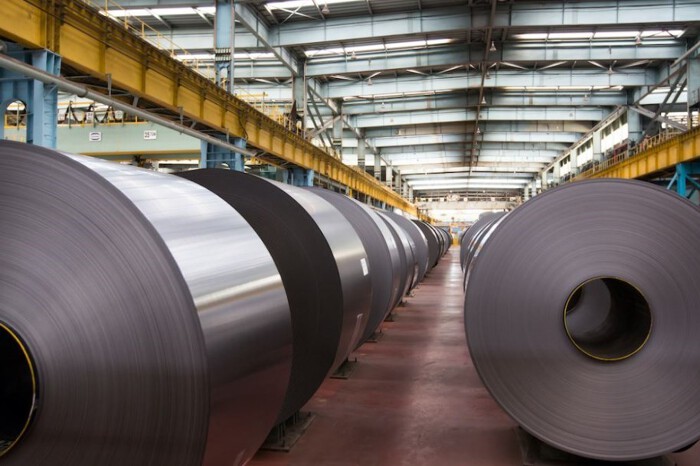
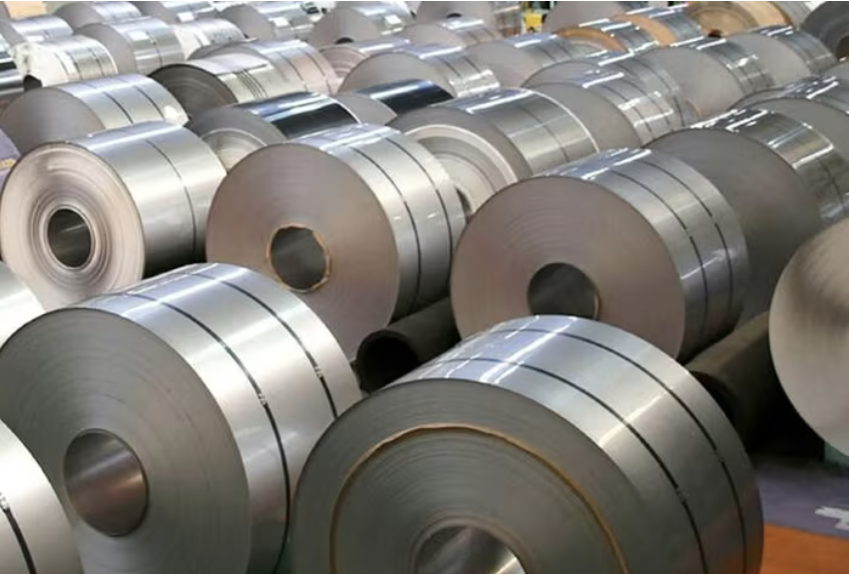
According to Reuters, U.S. President Donald Trump on Thursday (April 2) adjusted national security tariffs on imported steel, aluminum, and copper. This move aims to reduce tariffs on derivative products made from these metals, simplify compliance, and prevent underreporting of imports.
In a statement signed by Trump, the U.S. will maintain a 50% import tariff on imported steel, aluminum, and copper under Section 232 of the Trade Act of 1974. However, a notable change is that this tariff will be calculated based on the actual price paid by U.S. customers. The specific mechanism for determining the taxable value remains unclear.
A senior official said the adjustment stems from the fact that some businesses have underreported import values to reduce their tax obligations. In addition, the US government also announced a series of important changes, specifically as follows:
The US will abolish the 50% tariff on derivative products made from steel, aluminum, and copper if the content of these metals in the product is below 15% by weight. Officials said this regulation eliminates tariffs on items with negligible metal content, such as aluminum perfume bottle caps or dental floss boxes with small steel blades.
The White House stated that tariffs on some industrial equipment and power grid equipment that use a lot of metal will be reduced from 50% to 15% by 2027, aiming to boost industrial development. This policy has also received support from steel manufacturers, particularly regarding machinery imported from Europe.
Derivative products containing more than 15% steel, aluminum, or copper by weight will benefit from a 25% tariff reduction, applied to the entire import value, not just the metal content. Therefore, washing machines or gas stoves made primarily of steel will be subject to a fixed 25% tariff.
Additionally, products manufactured overseas but using entirely U.S.-sourced steel, aluminum, and copper will be subject to a preferential 10% tariff.
According to the White House, these adjustments aim to simplify a complex tariff system that has made it difficult for businesses to determine the metal content of many product groups, from tractor parts to stainless steel sinks and railroad equipment.
"The new mechanism will be easier, simpler, and more direct," the official said, adding that the administration has reviewed these changes with the industry and has received positive feedback.
According to this official, these changes will generally not make a significant economic difference compared to the previous tariff regime. By imposing a 50% tariff on the entire value of sales of base metals, the U.S. may increase its budget revenue.
Source: Vietnam Business Magazine

.png)
.png)