.png)
Mô tả
A Crucial Material in Modern Infrastructure
In the landscape of modern infrastructure development, prestressed steel is emerging as a "backbone" material that enhances the quality and lifespan of structures. Mexico, with its steadily growing demand, is becoming a potential market for Vietnamese prestressed steel products. However, alongside these opportunities are increasingly evident risks related to trade protection measures, forcing Vietnamese businesses to proactively adapt.
Information from the Trade Protection Department of the Ministry of Industry and Trade indicates that prestressed steel products are a special type of steel designed for use in prestressed concrete structures – a technical solution that significantly improves load-bearing capacity, durability, and lifespan of structures. Unlike conventional reinforcing steel, prestressed steel is manufactured from high-quality carbon steel, undergoing advanced cold drawing or heat treatment processes to achieve very high tensile strength, commonly ranging from 1,570 MPa to 1,860 MPa.
This product exists in various forms such as single wire (PC wire), braided strands (PC strand), or steel bars (PC bar) with flexible dimensions, meeting diverse needs from small-scale constructions to large infrastructure projects. The steel surface is often treated with methods such as twisting, grooving, or anti-corrosion coating, increasing adhesion with concrete and ensuring performance in harsh environments.
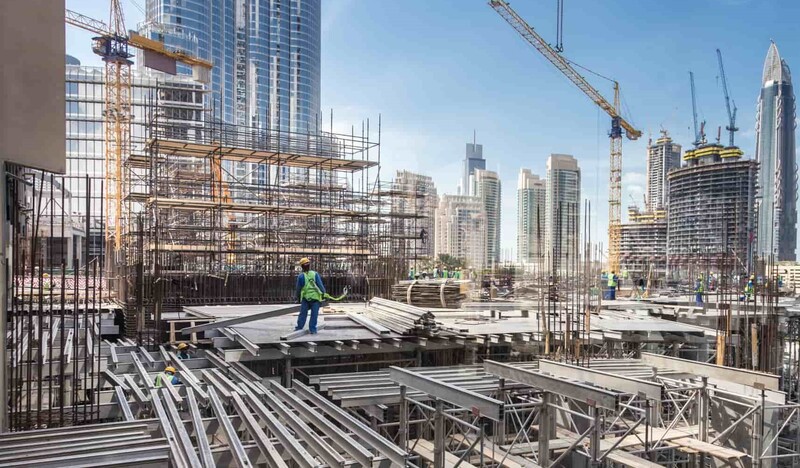
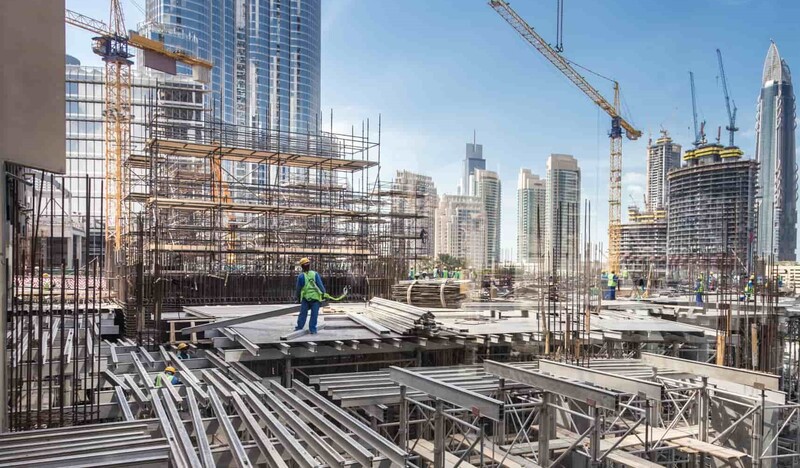
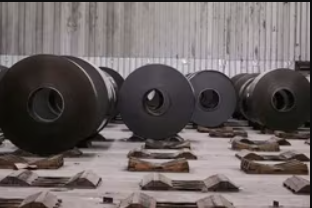
In the context of large-scale infrastructure development, prestressed steel is a crucial and irreplaceable material. (Image: Hung Thinh) Photo: Hung Thinh
The operating mechanism of prestressed steel is based on creating pre-compressive force in concrete by tensioning the steel before or after pouring the concrete. This significantly reduces tensile stresses during use, limiting cracking, sagging, and structural deformation. This not only reduces material volume and optimizes costs but also enhances construction efficiency and safety.
With properties such as high ductility, good fatigue resistance, and long-term stability, prestressed steel is widely used in bridges, tunnels, highways, multi-story parking garages, high-rise buildings, seaports, and industrial projects. In the context of large-scale infrastructure development, it is considered an irreplaceable material.
In recent years, the prestressed steel market in Mexico has seen stable growth, linked to strong investment in transportation, urban, and industrial infrastructure. A series of highway, overpass, airport, seaport, and commercial construction projects have led to a significant demand for this material.
Mexico's supply includes both domestic production and imports. However, domestic businesses mainly focus on conventional construction steel, while the production capacity of prestressed steel is limited and insufficient to meet the needs of large projects. This makes imports a crucial supplementary channel.
By 2025, Mexico's imports of prestressed steel are projected to increase to US$171.8 million. Notably, in 2025, Vietnam is expected to become the largest supplier to this market with US$51.2 million, accounting for 29.8% of total imports. The United States ranks second with US$33.9 million, equivalent to 19.7%. This trend continued into early 2026. In January alone, Vietnam's exports of prestressed steel to Mexico reached US$5.6 million, a 41.5% increase year-on-year and accounting for 38% of the market share.
During the 2023-2025 period, Mexico's import trend for this product underwent adjustments due to economic pressures and trade policies. In January 2026, Mexico's total import value decreased slightly by 3.9% year-on-year. Nevertheless, Vietnam continued to be the largest supplier of prestressed steel exports to this market.
Diversifying Export Markets
Alongside opportunities, in the context of increasing competition, to protect domestic production, Mexico has applied anti-dumping measures against imported prestressed steel from several countries such as China, Spain, and Portugal. This is a clear signal that the country does not hesitate to use trade defense tools to protect its domestic industry.
“Vietnam’s strong increase in market share in Mexico, while a positive sign, also increases the risk of scrutiny. Therefore, the requirement for exporting businesses is not only to expand markets but also to build a systematic trade defense strategy,” the Trade Defense Department stated.
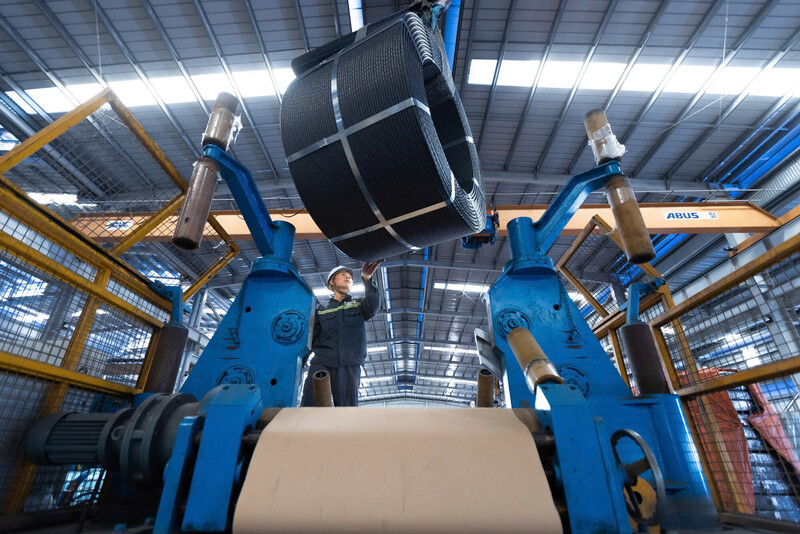
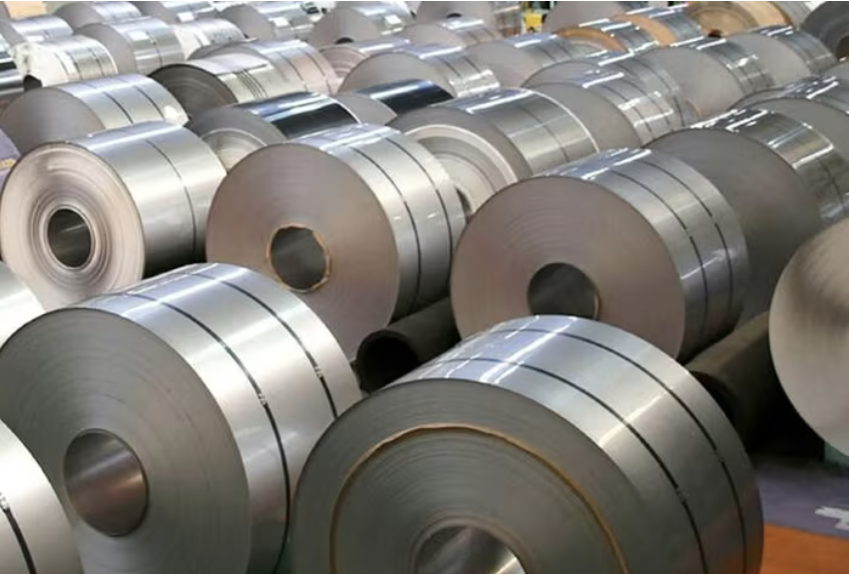
Diversifying markets provides steel businesses with an additional legal shield when disputes arise. (Image: Hung Thinh)
Offering solutions, the Trade Remedies Department recommends that, first and foremost, businesses closely monitor market developments and Mexico's trade policies, especially early warnings from authorities and steel industry associations. Diversifying export markets is also a crucial solution to avoid dependence on a single market.
In addition, building a transparent data management system and maintaining complete records of costs, selling prices, and product origin is key to being ready to cooperate when investigations are underway. Strictly adhering to origin regulations also helps businesses avoid accusations of tax evasion. A noteworthy point is close coordination with state management agencies and industry associations. This not only provides information support but also gives businesses additional legal protection in case of disputes.
In the long term, the challenge for Vietnamese businesses is not just maintaining market share but also upgrading their competitiveness. Instead of relying on low prices, businesses need to shift to competing on quality, technology, and added value.
Product diversification, technical improvements, and enhanced durability and adaptability will help minimize the risk of lawsuits while expanding access to higher market segments. Simultaneously, building a brand and establishing stable relationships with import partners in Mexico is crucial. A sustainable relationship not only helps maintain stable output but also creates a buffer against policy fluctuations.
In the context of increasingly complex global trade, prestressed steel is opening up significant opportunities for Vietnamese businesses in Mexico. However, opportunities are only truly sustainable when accompanied by adaptability. Without proactive measures, market share advantages can quickly turn into legal risks.
In January 2025, Vietnam's exports of prestressed steel to Mexico reached US$3.9 million, accounting for 27.9% of Mexico's total imports of similar products. In January 2026, Vietnam's prestressed steel exports are projected to increase by 41.5%, reaching US$5.6 million, representing 38% of Mexico's total imports of similar products. Vietnam will be the largest supplier of prestressed steel to Mexico in January 2026.
Source: Vietnam Economic News

.png)
.png)