.png)
Mô tả
In the context of rapidly changing global climate conditions, the construction industry is undergoing a major transformation toward greener, cleaner and more sustainable development models. Steel — a core material in almost every type of structure — is also evolving through the adoption of recycled steel and the growing application of sustainable materials. These solutions do not only reduce costs but also serve as “golden keys” for minimizing emissions, conserving natural resources and meeting international environmental standards.
In this article, CCN Vietnam explores the green transformation of the steel industry, the outstanding benefits of recycled steel, the rise of sustainable materials and the opportunities they bring for investors and contractors in Vietnam. From there, you can identify optimal solutions that align with modern construction trends.
1. What Are Green Trends in the Steel Industry?
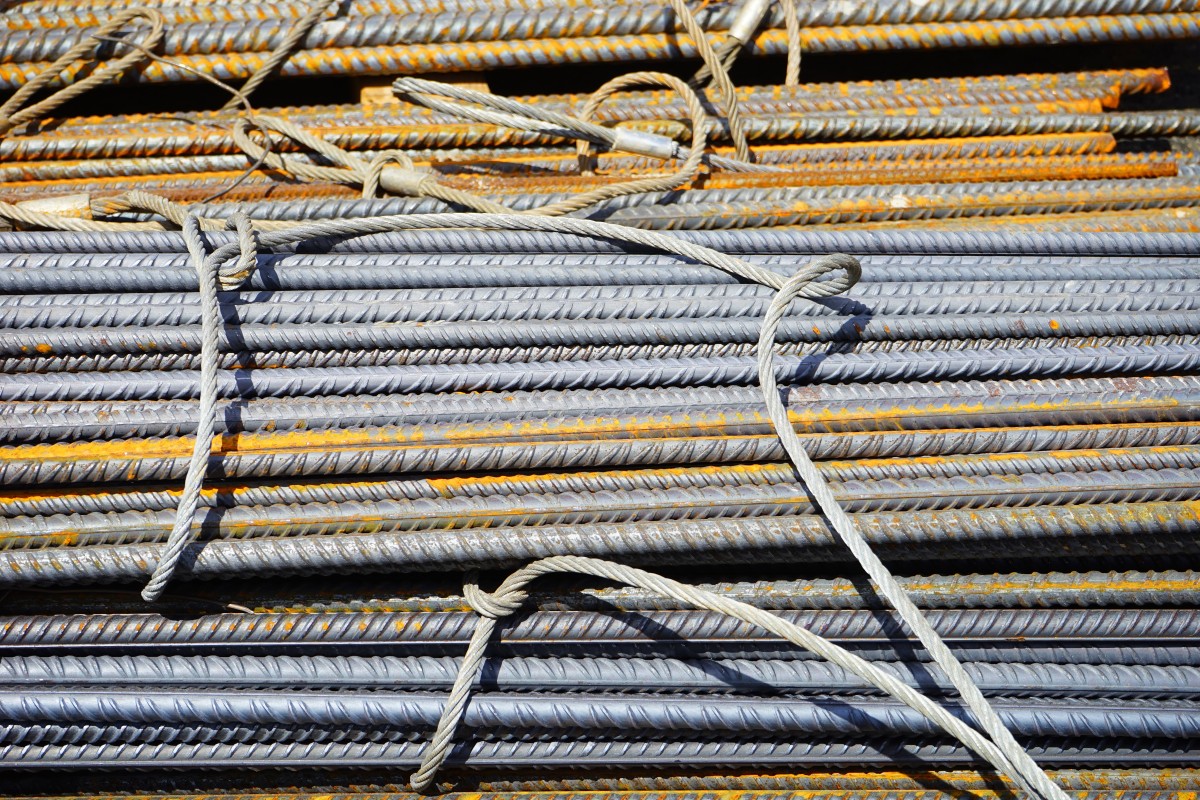
Green development has become a priority across many countries, especially in markets that emphasize environmental responsibility. Among these trends, recycled steel plays a significantly impactful role thanks to its ability to dramatically reduce CO₂ emissions compared to traditional steel. Recycled steel is produced from post-consumer or industrial scrap, yet still maintains high quality due to advanced refining processes that comply with international standards.
Additionally, sustainable materials are increasingly favored in construction for their durability, reusability and minimal environmental impact. These materials support long-term cost savings, improve structural durability and reduce reliance on non-renewable natural resources.
Finally, the rise of green technologies — most notably the Electric Arc Furnace (EAF) — contributes to lowering emissions by up to 60% compared to traditional blast furnaces, paving the way for cleaner and more eco-friendly steel production.
2. Benefits of Using Recycled Steel
Cost Savings
Using recycled steel offers major cost advantages because its market price is typically lower than newly manufactured steel made from iron ore. This allows investors to optimize their budgets throughout construction stages. Furthermore, recycled steel reduces industrial waste-processing costs by reusing existing scrap materials, easing the strain on both the environment and production systems. This cost efficiency is especially valuable for large-scale projects requiring high volumes of materials.
Environmental Protection
A primary reason recycled steel is widely adopted is its ability to reduce CO₂ emissions by 1.5–2 tons for every ton of recycled steel produced. By reusing scrap metal, the industry significantly decreases the need for mining iron ore and coal — resources that are rapidly depleting. This contributes to ecosystem preservation, pollution reduction and the broader goal of sustainable development.
Assured Quality
One common misconception is that recycled steel is inferior to newly manufactured steel. In reality, recycled steel undergoes strict production control and fully meets ASTM, JIS and TCVN standards. Its lifespan closely matches that of conventional steel, while its load-bearing performance has proven reliable in various projects. This is why more contractors are switching to recycled steel for modern construction.
3. Sustainable Steel Materials in Modern Construction
High-Strength Steel (HSS)
High-strength steel is a standout among sustainable materials due to its superior load-bearing capacity. It reduces structural weight while maintaining safety, helping minimize the total amount of steel required. In modern construction, HSS is commonly used in high-rise buildings, bridges and large industrial facilities. For heavy-load projects, it delivers both economic efficiency and sustainable performance.
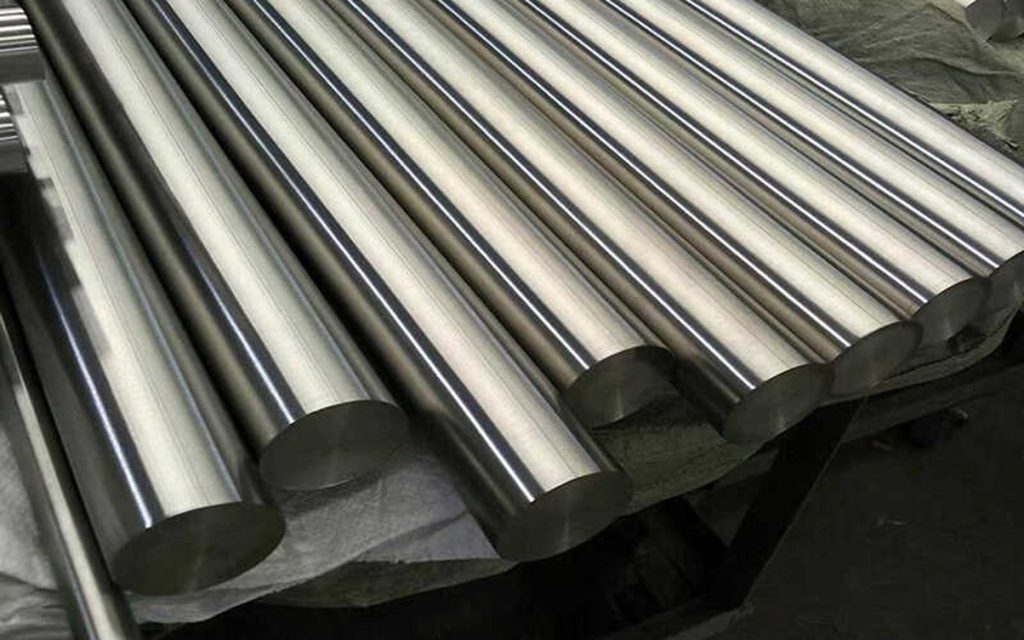
Stainless Steel
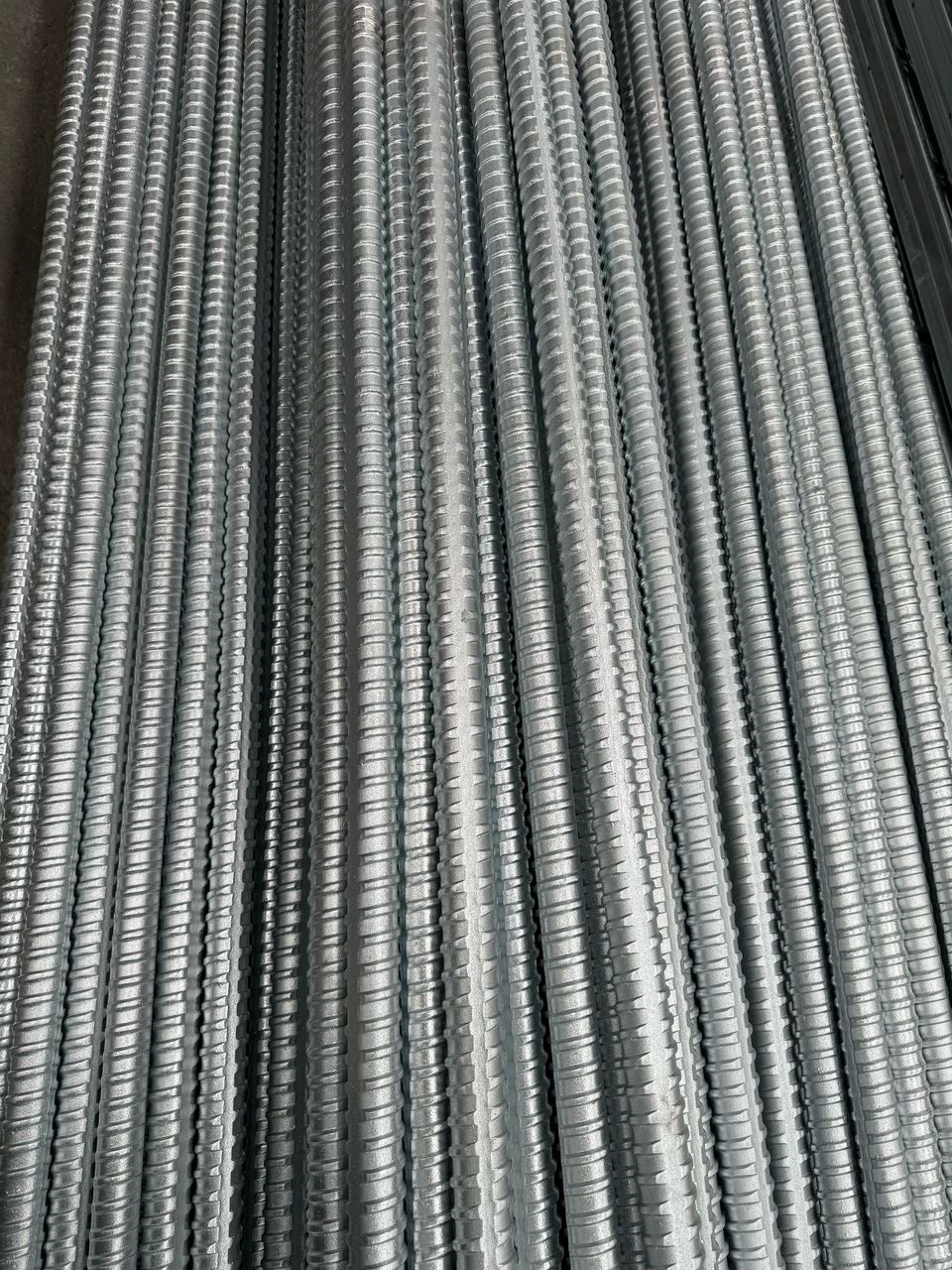
Stainless steel is an ideal sustainable material thanks to its corrosion resistance and minimal maintenance requirements. With impressive durability in harsh environments, stainless steel is widely applied in coastal areas, chemical plants and locations exposed to high corrosion. Its long lifespan and aesthetic appeal make it a preferred material in green-oriented projects.
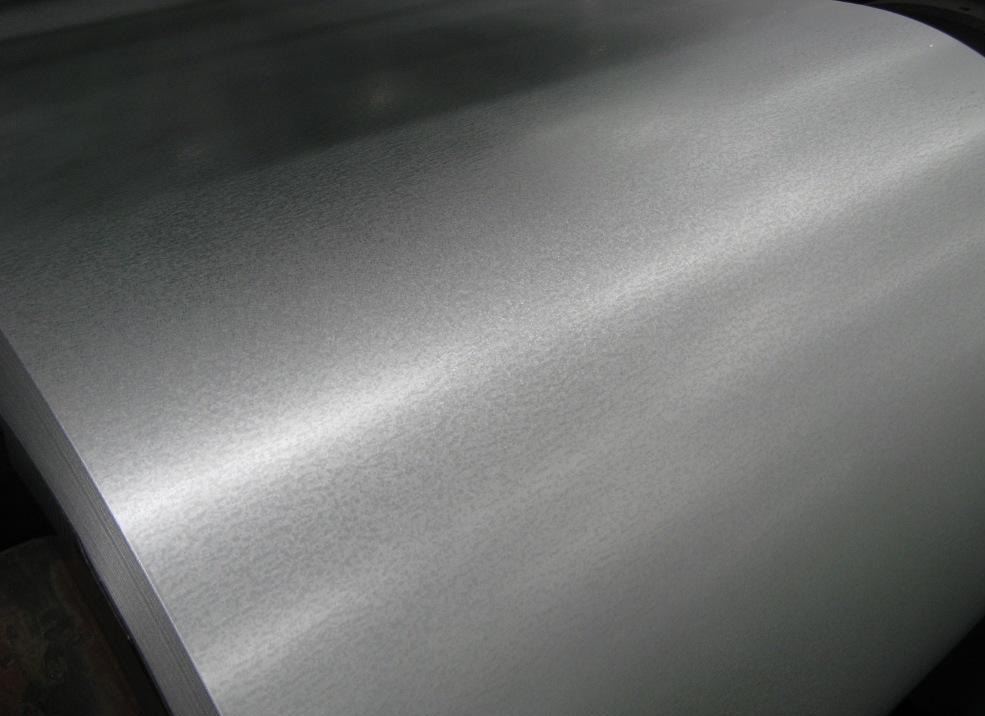
Hot-Dip Galvanized Steel
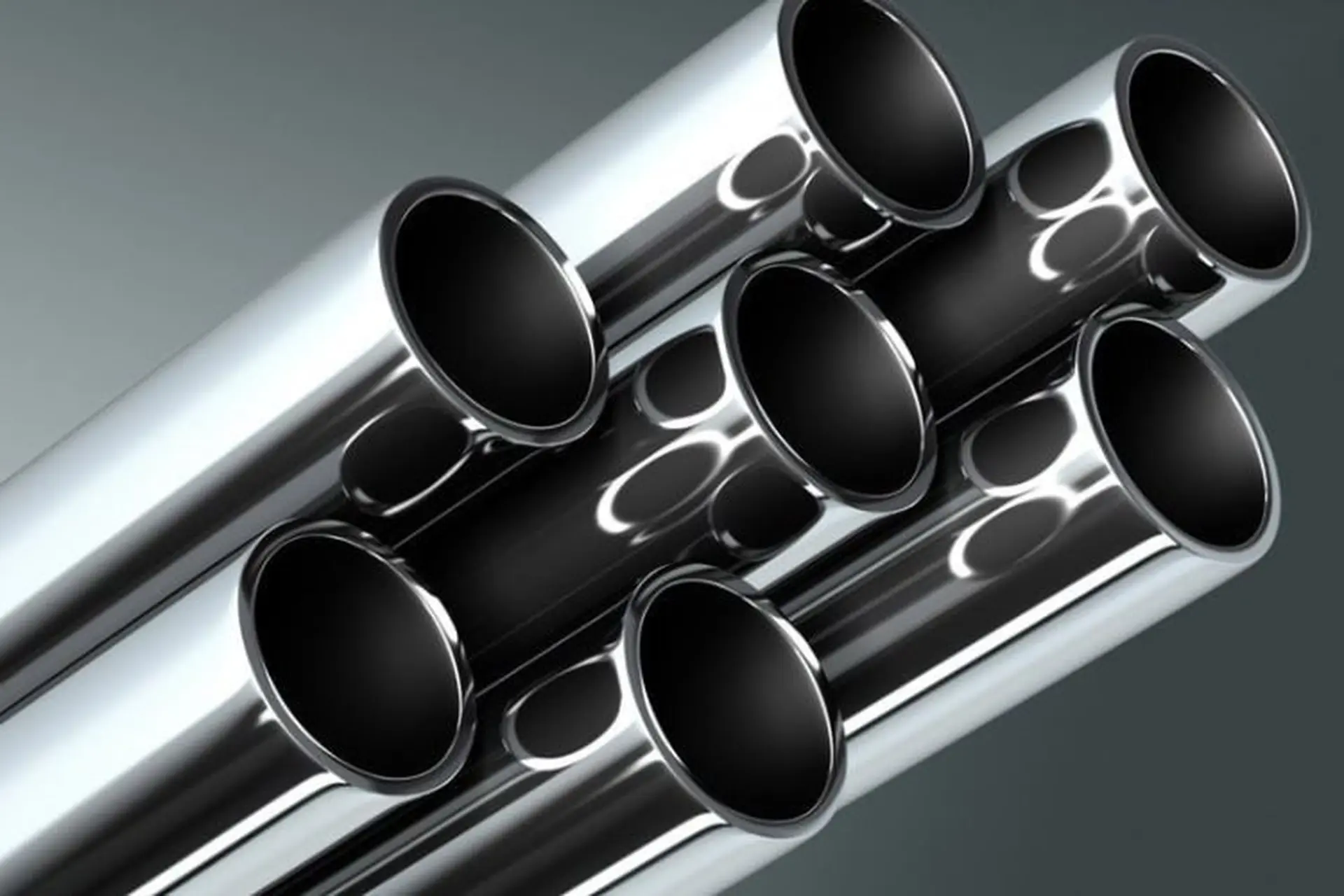
Hot-dip galvanized steel significantly increases the lifespan of structures thanks to its strong resistance to oxidation. The zinc coating protects steel from environmental impacts and reduces long-term maintenance costs. It is commonly used in outdoor structures, scaffolding systems and solar energy installations — offering both material protection and long-term cost savings.
4. Current Landscape and Trends in Vietnam
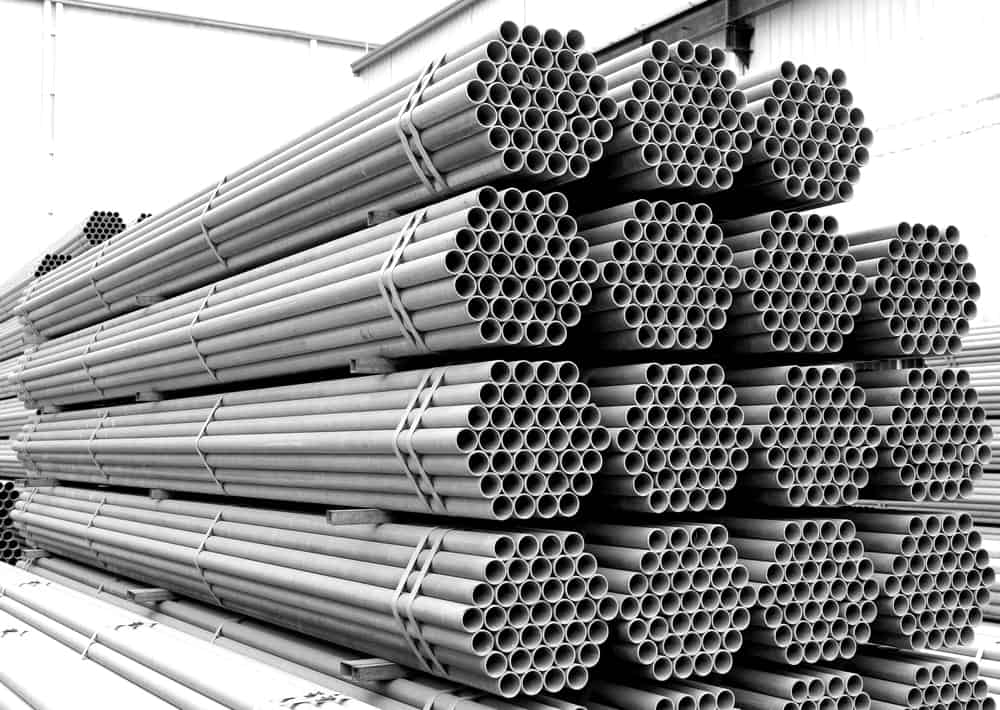
In recent years, Vietnam’s steel industry has invested heavily in recycling technologies and emission-reducing production lines. This shift not only aligns with global trends but also supports the government’s goals for green development. According to the National Construction Materials Development Plan to 2030, Vietnam encourages the use of recycled steel and sustainable materials to reduce environmental impact.
By 2025, recycled steel is forecast to account for up to 40% of total steel consumption in Vietnam. This shows that the shift to recycled steel is not a temporary trend but a long-term development direction. The use of recycled steel also helps investors obtain green certifications, enhancing project reputation and market competitiveness.
5. The Role of CCN Vietnam in Green Transformation
CCN Vietnam is a leading supplier of recycled steel and sustainable materials for construction projects nationwide. With a reliable supply chain, we ensure all products meet international standards and maintain consistent quality. CCN Vietnam also supports customers in optimizing construction budgets by providing material solutions tailored to each project’s needs.
We accompany investors on the journey toward greener construction through durable, safe and environmentally friendly steel solutions — strengthening our position in the market while contributing to sustainable industry development.
FAQ – Frequently Asked Questions
1. Is recycled steel safe for construction?
Recycled steel is completely safe when produced properly and certified under ASTM, JIS and TCVN standards. These standards ensure structural strength, durability and stability. Many major projects already use recycled steel, demonstrating its reliability.
2. Is recycled steel significantly cheaper?
Recycled steel generally costs 5–15% less than newly produced steel depending on supply and market conditions. This makes recycled steel an excellent choice for businesses seeking budget efficiency without compromising quality — especially for large-scale projects.
3. Does CCN Vietnam supply recycled steel?
Yes. CCN Vietnam provides a wide range of recycled steel, high-strength steel and galvanized steel for various types of construction. All materials meet international standards and are strictly inspected before delivery, ensuring safety and consistency for your project.
Conclusion
The green transformation of the steel industry is not only a pathway to environmental protection but also an opportunity for businesses to optimize costs and improve construction quality. With the rapid development of recycled steel and sustainable materials, Vietnam’s construction market is well-positioned for sustainable growth.
Contact CCN Vietnam today for expert consultation and the best prices on recycled steel and sustainable steel materials for your project.
.png)



![[Report] Steel Market Q1/2026: Construction steel consumption surges, steel prices recover.](https://ccnvietnam.vn/image/cache/catalog/avatar-fb-4-20260505100240586-avatar-fb-20260505100732774-480x320.jpg)
