.png)
Mô tả
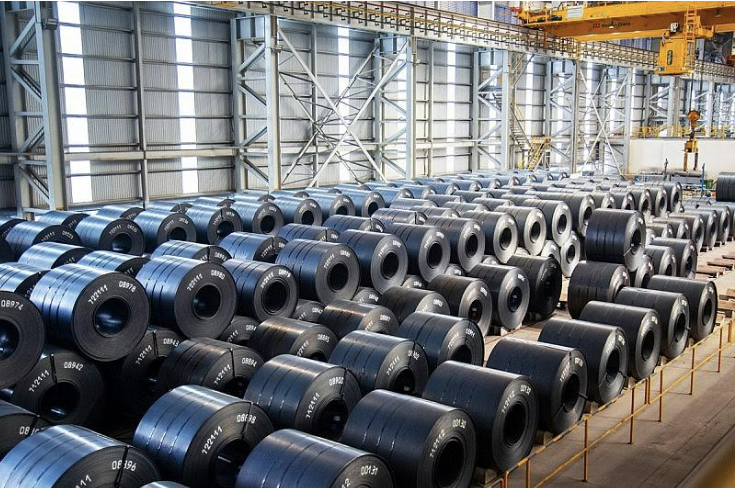
The steel industry has always been among the product groups with the highest import volume in Vietnam, resulting in a growing demand for accurate updates on legal regulations and steel import–export taxes. Understanding the full system of policies, tax structures, and procedures not only helps businesses optimize import costs but also minimizes risks in international trade activities. At the same time, this knowledge supports companies in building more effective long-term business plans, especially in a market where steel prices fluctuate continuously.
In this article, CCN Vietnam provides a complete and detailed overview of current legal regulations, applicable import taxes, and essential notes that help businesses stay proactive when conducting steel-related transactions. This serves as a practical handbook for any company currently participating—or preparing to participate—in the imported steel supply chain.
In a constantly changing global market, staying updated on legal regulations and steel import–export taxes plays a crucial role in ensuring compliance, forecasting costs accurately, and minimizing risks. Below are the key legal frameworks that every enterprise should understand clearly.
1. Legal Framework for Steel Import and Export in Vietnam
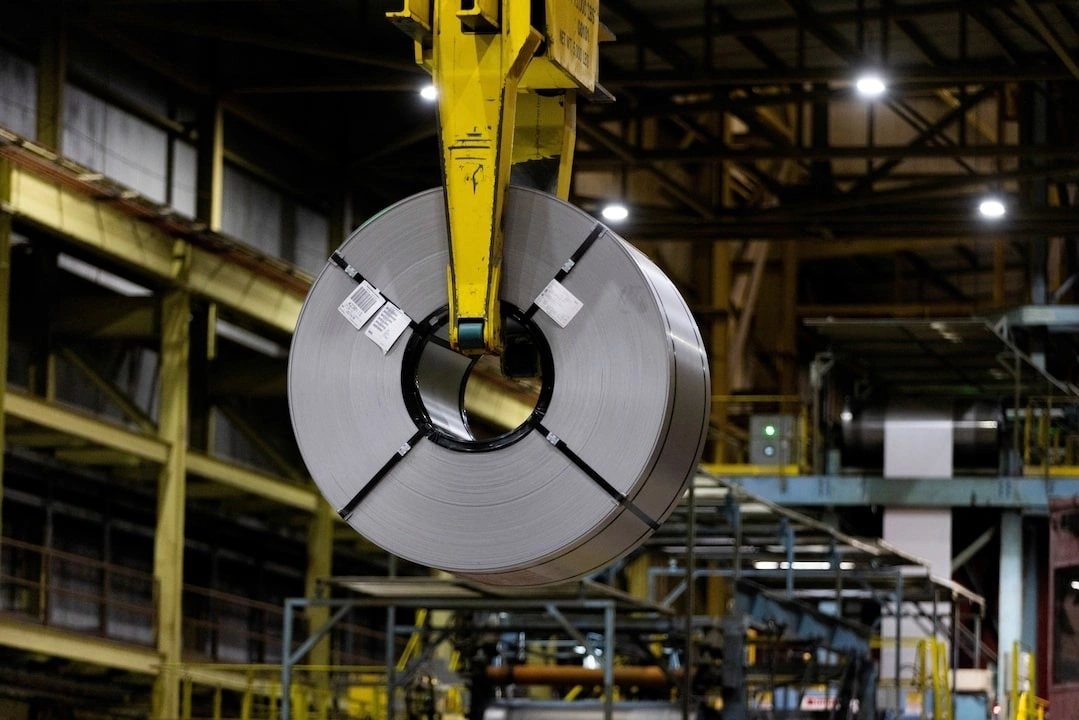
Vietnam’s system of legal regulations and steel import–export taxes is designed to ensure transparency, safety, and alignment with international trade standards. As a commodity with heavy weight, high value, and direct impact on construction and industrial production, steel is subject to stricter management compared to many other goods.
Steel import activities are overseen by several major regulatory bodies, including the Ministry of Industry and Trade (MOIT), the General Department of Customs, and the Ministry of Finance. These agencies issue guidelines, policies, and regulations related to procedures, tax rates, and conditions for steel importation to maintain stability in the domestic market.
Some essential legal documents that businesses must review before importing steel include:
- The 2017 Law on Foreign Trade Management
- Circular 05/2018/TT-BCT on steel import management
- Decree 69/2018/ND-CP on import–export procedures
These serve as the foundational resources that enterprises must understand in advance.
Certain special categories of steel—such as alloy steel or high-tech steel—may require separate import permits. These measures aim to ensure product quality, prevent trade fraud, and maintain a healthy competitive environment within Vietnam’s steel market.
To fully understand legal regulations and steel import–export taxes, businesses must consistently review the latest published import tax schedules. Below are the tax groups that directly impact steel import costs.
2. Latest Steel Import Tariff Schedule
1. MFN Import Tariff (Most-Favored-Nation Rate)
The MFN tariff is the standard tax rate applied to countries maintaining normal trade relationships with Vietnam. These rates are frequently updated to balance the need for domestic industry protection and international trade promotion.
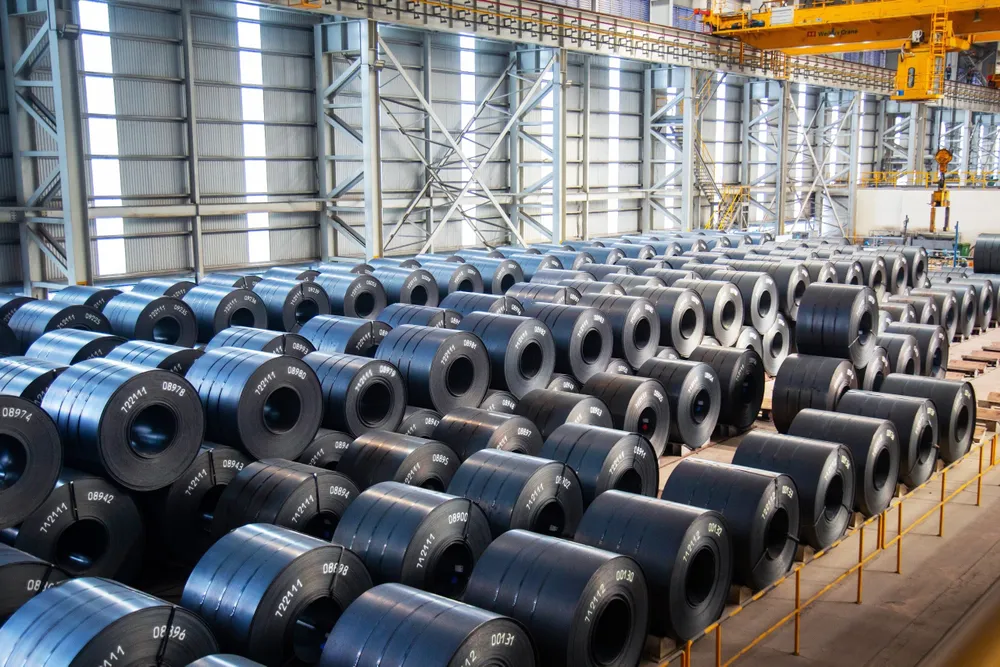
- Hot-rolled steel coil: 0–5%, depending on HS code and technical standards
- Cold-rolled steel sheet: 5–10%
- Alloy steel: 3–5%
- Stainless steel (inox): 5–10%
These figures directly influence import pricing, so businesses must check the accurate HS code before declaring customs.
2. Special Preferential Tariffs under FTAs
Vietnam currently participates in more than 15 free trade agreements, creating major advantages for businesses seeking to optimize steel import costs. Agreements such as ACFTA (China), AKFTA (South Korea), and AJCEP (Japan) allow 0% tariffs for many steel categories when valid Certificates of Origin (C/O) are provided.
A 0% rate significantly reduces import expenses and increases competitiveness, though enterprises must ensure compliance with origin rules to qualify.
3. VAT (Value-Added Tax)
Imported steel is subject to a 10% VAT applied to the CIF value plus import duty. Given the large value of steel shipments, VAT can significantly impact cash flow during the import process.
4. Anti-Dumping Duty (If Applicable)
Beyond standard tariffs, companies may face anti-dumping duties on certain steel products from China, South Korea, or Taiwan. These rates typically range from 4–25%, depending on the Ministry of Industry and Trade’s rulings.
Because anti-dumping duties are reviewed periodically, businesses must update changes promptly.
3. Steel Import Procedures
Importing steel requires businesses to prepare a complete documentation package, including the commercial contract, invoice, packing list, and bill of lading. These documents enable customs authorities to verify product type, quantity, and value.
Once documents are ready, enterprises must submit declarations through the VNACCS electronic customs system—an automated process designed to reduce clearance time, limit direct contact, and minimize administrative errors.
Obtaining a Certificate of Origin (C/O) is essential for applying FTA preferential tariffs. Without a valid C/O, businesses will lose eligibility for reduced tax rates even if the product meets all origin rules.
Another compulsory step is product quality inspection at an accredited unit such as Quatest. After completing all requirements and paying the applicable taxes, the shipment can be cleared and officially circulated on the domestic market.
4. Legal Risks & Effective Management Strategies
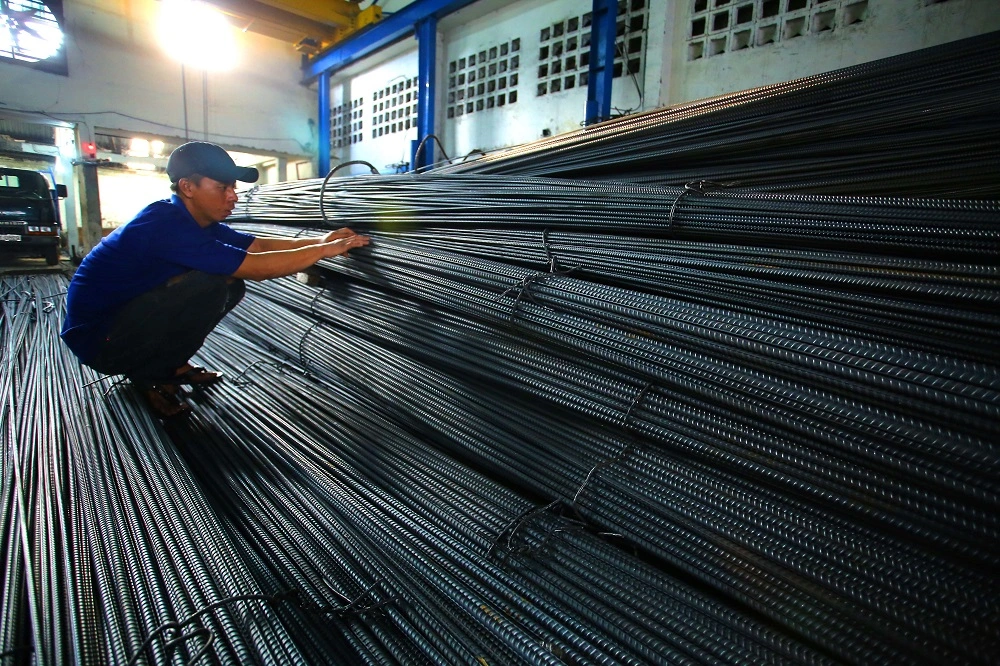
Throughout the steel import process, businesses may face various legal risks if they fail to stay updated with new regulations. Changes in tariff rates or import conditions can occur at any time, directly affecting both cost structures and delivery schedules.
One of the most common issues is the lack of a valid C/O, which results in losing access to preferential tariffs—even when the product meets origin standards. This increases import costs and reduces price competitiveness.
Incorrect HS code declaration is another serious issue. Customs authorities may reclassify the product, require re-inspection, impose higher tax rates, and even issue administrative penalties. This also delays the customs clearance process.
To minimize risk, businesses should work with reputable steel suppliers and professional logistics providers who have experience with steel imports to ensure full compliance and smooth operations.
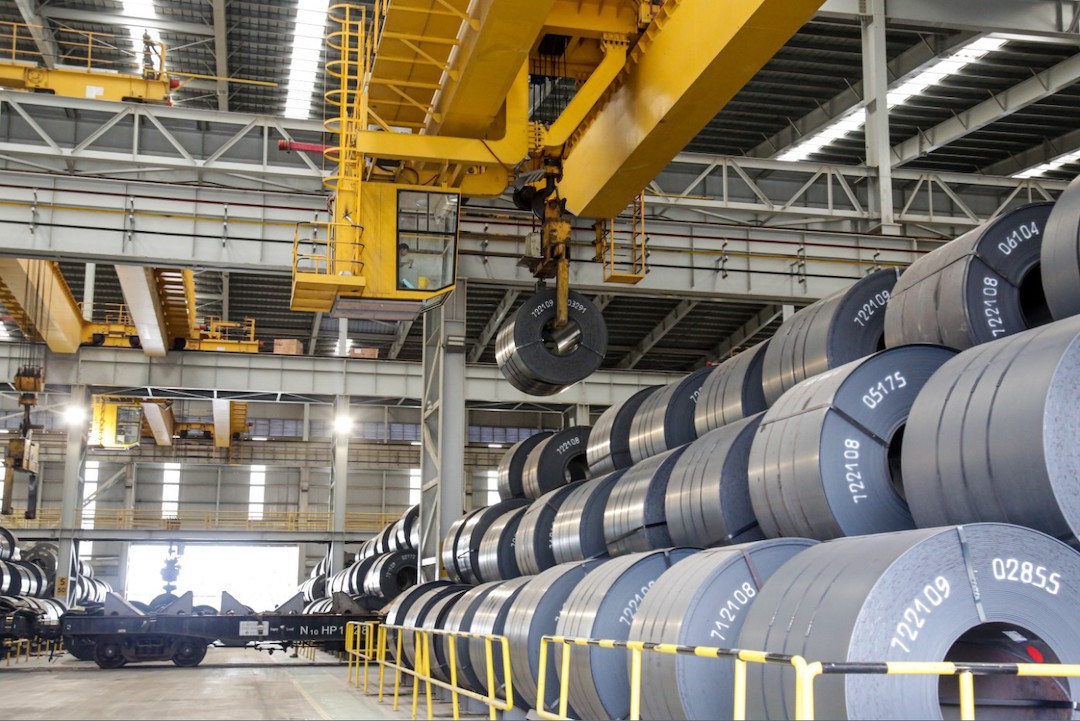
5. Recommendations for Steel Importing Enterprises
Companies should frequently check the latest tariff schedules published by Vietnam Customs to stay updated on applicable tax rates. Additionally, when signing high-value import contracts, consulting with international trade lawyers can help prevent unnecessary disputes.
Leveraging preferential tariffs from FTAs is one of the best ways to reduce steel import costs. However, enterprises must ensure accurate C/O documentation and compliance with origin rules to qualify.
Finally, partnering with logistics providers experienced in steel import procedures will help businesses streamline documentation, shorten clearance time, and reduce potential operational risks.
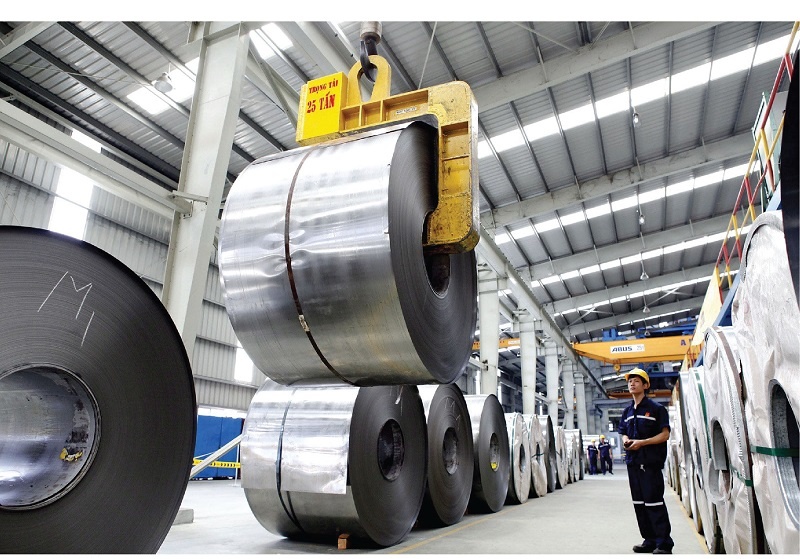
FAQ – Frequently Asked Questions
1. What is the current import duty for steel from China?
Many steel products imported from China qualify for a 0% tariff under the ACFTA (Form E) agreement. However, certain items may still be subject to anti-dumping duties depending on the Ministry of Industry and Trade’s periodic review.
2. Do small businesses need an import permit for steel?
Most common types of steel do not require an import permit. However, special categories such as alloy steel or high-tech steel may require approval from the Ministry of Industry and Trade before importation.
3. How long do anti-dumping duties apply?
Steel anti-dumping duties are typically applied for five years and may be extended following further review by the Ministry of Industry and Trade. Businesses should monitor updates regularly.
Conclusion
Understanding legal regulations and steel import–export taxes is essential for businesses seeking to optimize costs, avoid legal risks, and enhance competitiveness in a rapidly shifting global steel market. Selecting reputable suppliers and experienced logistics partners is the foundation for an efficient and transparent import process.
If you need expert consultation on tariff rates, import procedures, or choosing the right steel for your project, contact CCN Vietnam - your trusted partner in industrial and construction steel distribution.
.png)
.png)