.png)

Mô tả
In the steel industry, surface coating technology plays a crucial role in protecting products from rust, enhancing durability, and improving aesthetics. The two most common coating methods today are galvanized steel and electroplated steel. While both aim to prevent corrosion, each has its own characteristics, processes, and applications. Choosing the right type of coated steel helps businesses optimize costs, extend the lifespan of projects, and ensure aesthetic appeal.
Understanding the differences between galvanized steel and electroplated steel is an essential first step for businesses, engineers, and project managers to make informed decisions. This article provides a detailed analysis of the features, advantages, disadvantages, and practical applications of each type, along with guidance on selecting the most suitable steel for construction and industrial projects.
1. What is Galvanized Steel?
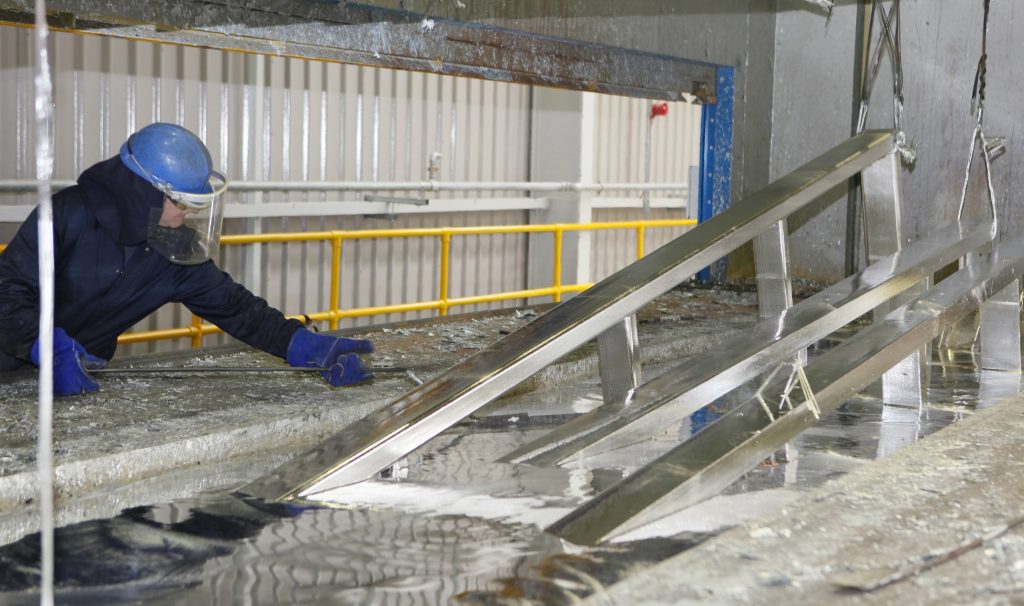
Galvanized steel is steel coated with a layer of zinc, most commonly using the hot-dip galvanizing process. This method protects the steel from corrosion, enhances durability, and improves resistance to harsh environments.
The zinc coating typically ranges from 50–80 µm in thickness and adheres firmly to the steel surface, providing long-lasting protection. Its exceptional corrosion resistance, especially in humid or coastal environments, allows galvanized steel to have a lifespan of 20–50 years. Because of its durability, galvanized steel is widely used for outdoor structures and projects exposed to severe weather conditions.
When it comes to outdoor applications, the superior corrosion resistance of galvanized steel provides businesses with peace of mind. In contrast, electroplated steel stands out for its aesthetic appeal and glossy finish, making it ideal for indoor use.
2. What is Electroplated Steel?
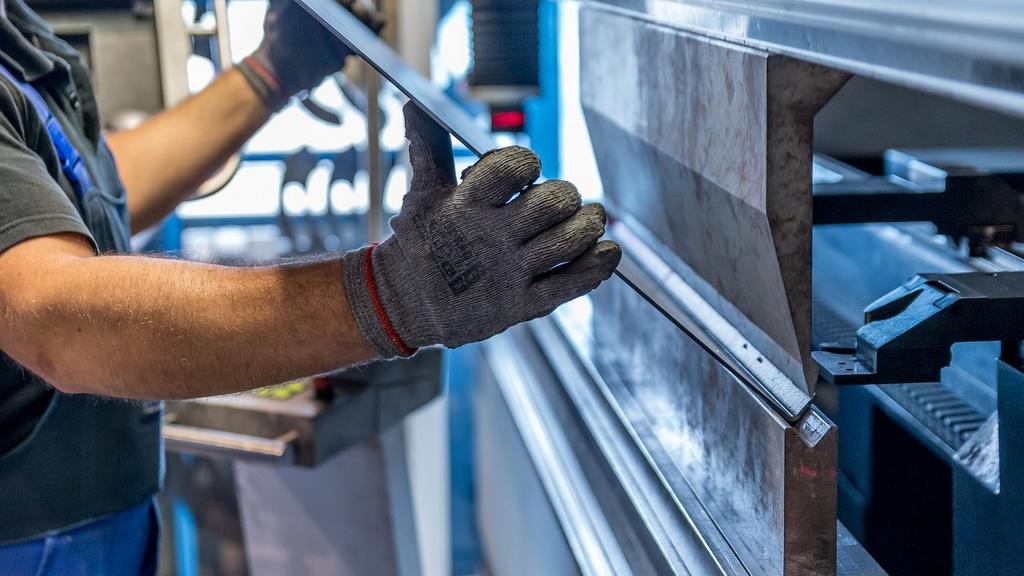
Electroplated steel is created through electroplating, a process that uses an electric current to coat the steel surface with a thin layer of metal such as zinc, nickel, or chromium. This technique primarily produces a bright, visually appealing surface while providing moderate corrosion resistance.
The coating thickness of electroplated steel usually ranges from 5–25 µm, resulting in a shorter lifespan of approximately 5–10 years. Although its corrosion protection is not as strong as galvanized steel, the glossy finish makes it suitable for household appliances, office furniture, and industrial components.
Comparing galvanized steel and electroplated steel helps you select the appropriate steel type based on durability, corrosion resistance, and aesthetic requirements.
3. Comparison Between Galvanized Steel and Electroplated Steel
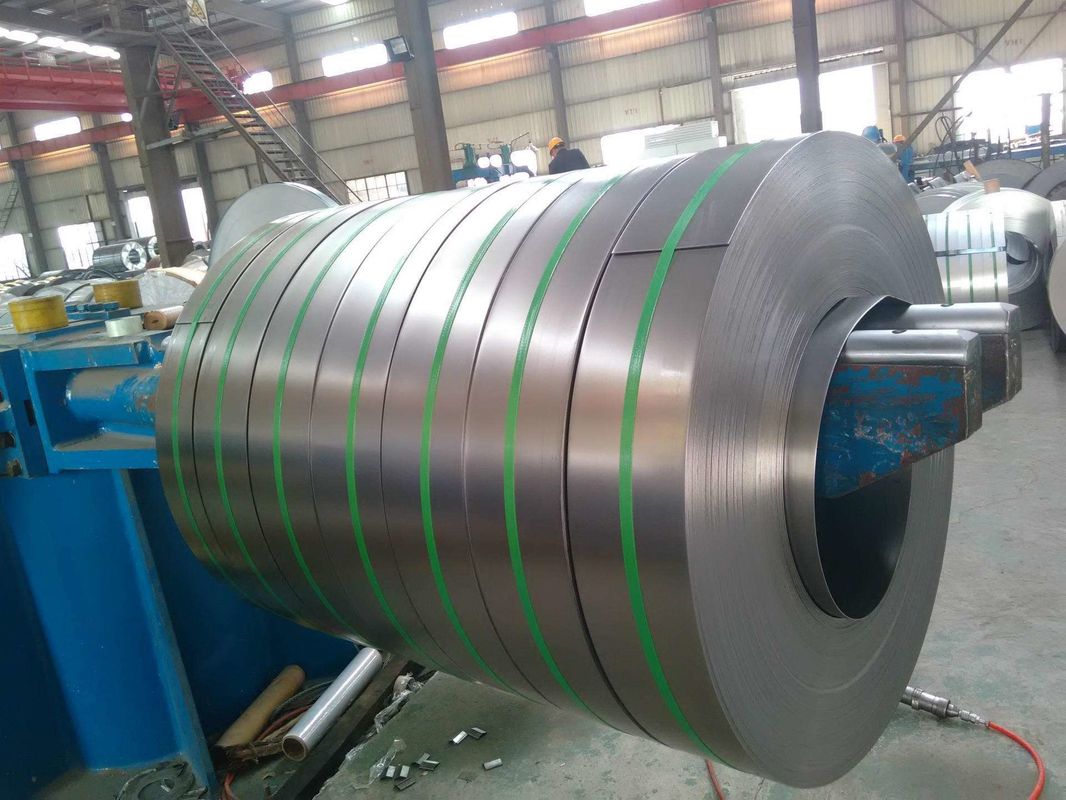
When comparing galvanized steel and electroplated steel, important factors include coating thickness, corrosion resistance, lifespan, aesthetics, applications, and cost.
Coating Thickness: Hot-dip galvanized steel has a thickness of 50–80 µm, while electroplated steel ranges from 5–25 µm.
Corrosion Resistance: Galvanized steel offers very high corrosion protection, suitable for outdoor environments. Electroplated steel provides moderate corrosion resistance, ideal for indoor use.
Lifespan: Galvanized steel lasts 20–50 years, while electroplated steel has a lifespan of 5–10 years.
Aesthetics: Galvanized steel has a gray, slightly rough surface. Electroplated steel features a smooth, bright, and visually appealing finish.
Applications: Galvanized steel is used for outdoor structures, bridges, railings, and fences. Electroplated steel is suitable for furniture, household appliances, and industrial components.
Cost: Galvanized steel is more expensive due to its thicker coating and complex process, whereas electroplated steel is less costly but has a shorter lifespan.
4. Practical Applications
Galvanized Steel
Galvanized steel is widely used in outdoor projects. Utility poles, railings, and fences often use hot-dip galvanized steel due to its excellent rust resistance. In construction, bridge structures and hot-rolled steel sheets for outdoor use are also typically galvanized to ensure durability and longevity. In harsh environments or areas exposed to continuous weathering, galvanized steel remains the optimal choice for both large and small-scale projects.
Electroplated Steel
In contrast, electroplated steel is commonly applied to products requiring high aesthetics. Household appliances such as refrigerators and washing machines, office furniture, and automotive or electronic components often use electroplated steel to achieve a bright, smooth, and attractive surface. While the lifespan is shorter than galvanized steel, the coating sufficiently meets indoor use and environments with low corrosion risk.
5. Which Should You Choose: Galvanized Steel or Electroplated Steel?
The choice of coating depends on the environment and project requirements. For outdoor projects exposed to harsh weather and challenging conditions, hot-dip galvanized steel is optimal due to its high corrosion resistance and long lifespan. For indoor projects prioritizing aesthetics and shine, electroplated steel is more suitable.
In large-scale projects, companies often combine both types to optimize costs—using galvanized steel for outdoor structures and electroplated steel for interior finishes and equipment.
6. Expert Advice from CCN Vietnam
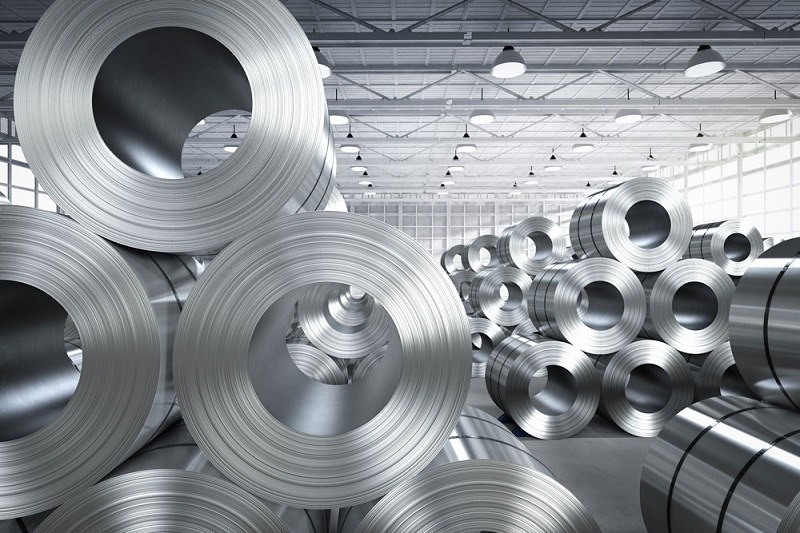
Before selecting the type of coated steel, businesses should clearly determine the usage environment and technical requirements. Ensuring the coating meets international standards, such as ASTM A123 for galvanized steel, guarantees product quality and longevity. Partnering with reputable steel suppliers is crucial to avoid low-quality coated steel, reduce construction risks, and enhance investment efficiency.

FAQ – Frequently Asked Questions
1. Is galvanized steel better than electroplated steel?
There is no absolute “better” option; it depends on the usage purpose and project environment. Galvanized steel is more durable outdoors, while electroplated steel is more visually appealing indoors.
2. Can electroplated steel be used outdoors?
It is not recommended for outdoor use, as its lifespan is much shorter than hot-dip galvanized steel and it may oxidize or deteriorate over time.
3. Will the galvanized coating peel off over time?
If the product meets standards, the zinc coating adheres firmly to the steel and is unlikely to peel off for 20–30 years, ensuring long-term protection.
Conclusion
Choosing between galvanized steel and electroplated steel depends on the environment, aesthetic requirements, and desired lifespan. Understanding their differences helps businesses save costs, improve efficiency, and ensure long-lasting durability for their projects.
If you need professional guidance in selecting high-quality galvanized steel or electroplated steel, contact CCN Vietnam – a trusted distributor of industrial and construction steel.