.png)
Mô tả
1. How does special steel differ from ordinary steel?
- Steel is classified into "ordinary steel" and "special steel" based on chemical composition.
- Unlike ordinary steel, special steel is a unique type of steel engineered with specific properties and performance characteristics to meet specialized needs.
2. What are the characteristics of special steel?
- High resistance to external forces: It is capable of withstanding significant external forces. By enhancing material strength, it helps reduce the size and weight of automotive components while extending their service life.
- Excellent heat resistance: It overcomes the tendency to deform at high temperatures, making it useful in high-temperature environments such as automotive and aircraft engine parts, industrial plants, and power stations.
- Ease of processing: Despite being hard and strong, it is suitable for cutting and precision machining across a wide range of sizes.
- Applications: It is used in metal processing and casting. Resistant to wear and deformation, it is ideal for metal and plastic molds. Special steels offer various properties tailored to specific applications.
- During production, the levels of five elements—carbon, silicon, manganese, phosphorus, and sulfur—are strictly controlled, and other elements are added to achieve desired properties.
3. Some applications of special steel
Special steel, also known as alloy steel, possesses superior properties such as high hardness, toughness, heat resistance, and effective resistance to wear and corrosion, making it an indispensable material across many industries. Below are some typical examples of special steel applications:
Machinery manufacturing:
- High-load components: Shafts, gears, pistons, crankshafts, etc.
- Molds and dies: Stamping dies, plastic injection molds, casting molds, etc.
- Cutting tools: Milling cutters, drill bits, taps, etc.
Automotive industry:
- Engine: Valves, pistons, camshafts, etc.
- Powertrain: Gears, drive shafts, couplings, etc.
- Vehicle structure: Car body, chassis, suspension system, etc.
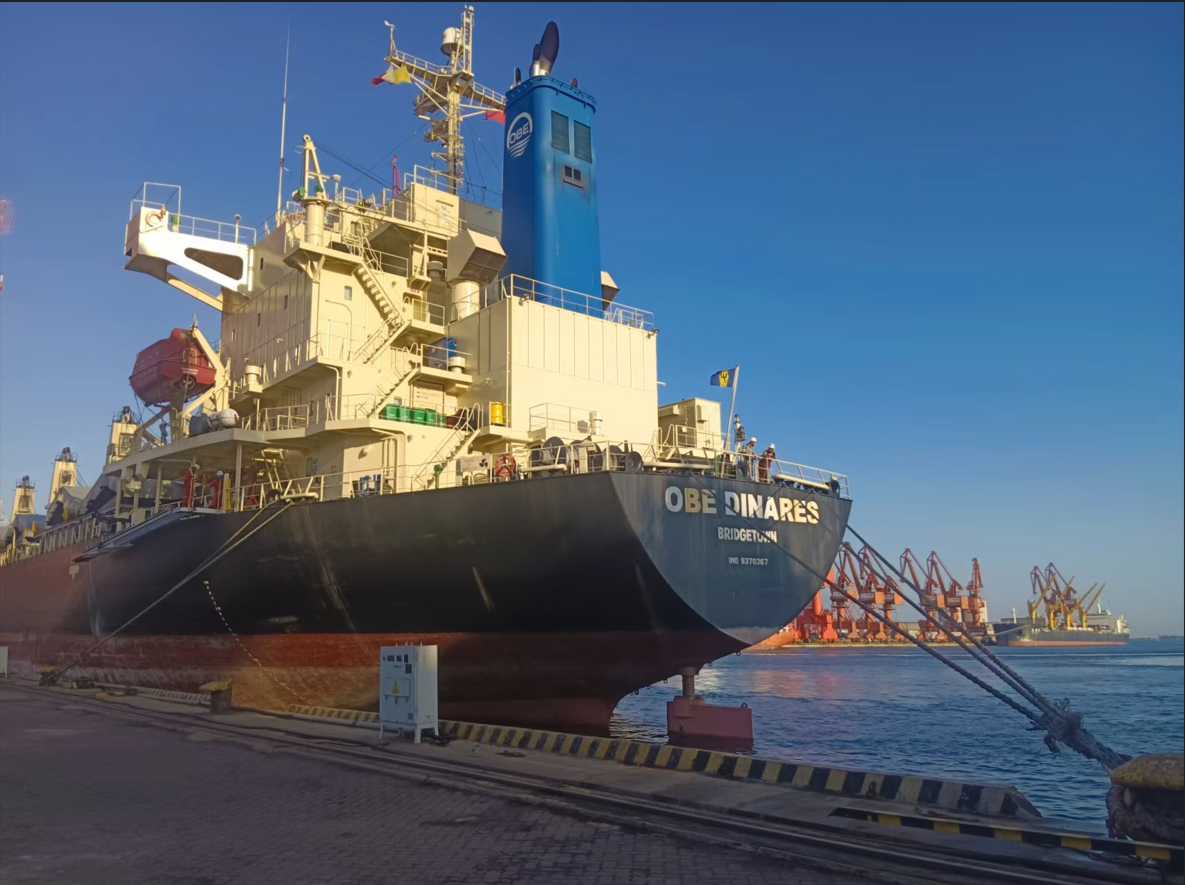
Shipbuilding industry:
- Ship hulls: Low-temperature resistant steel, seawater corrosion-resistant steel
- Decks: High-load-bearing steel, wear-resistant steel
- Ship engines: High-temperature resistant steel, corrosion-resistant steel
Oil and gas industry:
- Drilling rigs: High-load-bearing steel, low-temperature resistant steel
- Extraction machinery: Wear-resistant steel, corrosion-resistant steel
- Oil pipelines: High-pressure resistant steel, corrosion-resistant steel
Power industry:
- Generators: High-temperature resistant steel, high-pressure resistant steel
- Transformers: Silicon steel, stainless steel
- Power lines: Transmission towers, electrical conductors
Aerospace industry:
- Aircraft engines: High-temperature resistant steel, high-load-bearing steel
- Airframes: Lightweight steel, wear-resistant steel
- Landing gear: High-load-bearing steel, fatigue-resistant steel
Medical sector:
- Implants: Titanium alloys, stainless steel
- Medical instruments: Surgical needles, scalpels, etc.
- Dental equipment: Posts, crowns, bridges, etc.
Other applications:
- Agriculture: Agricultural machinery, gardening tools
- Construction: Bridges, roads, buildings
- Sports: Sports equipment, training gear
Additionally, special steel is used in many other sectors such as chemical manufacturing, food processing, mining, etc. Thanks to its versatility and diversity, special steel plays a crucial role in driving the development of various industries and improving the quality of human life.
4. Special steel regenerated through recycling
- Once it has fulfilled its role as an industrial product, it can serve as raw material for new products.
- Iron is a resource that can be recycled continuously.
- Special steel is reborn through the recycling loop.