.png)
Mô tả
.jpg)
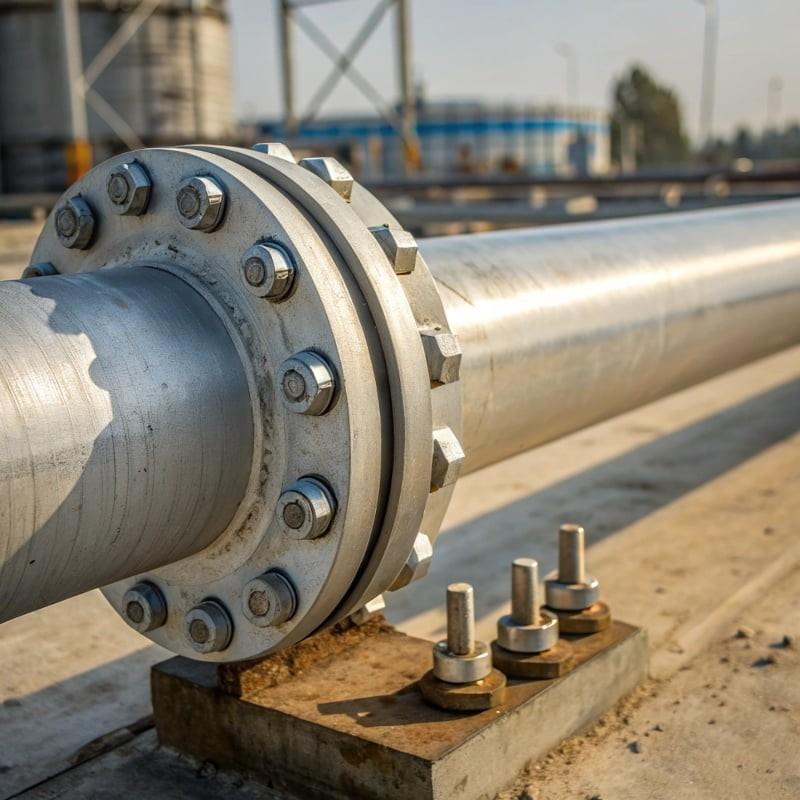
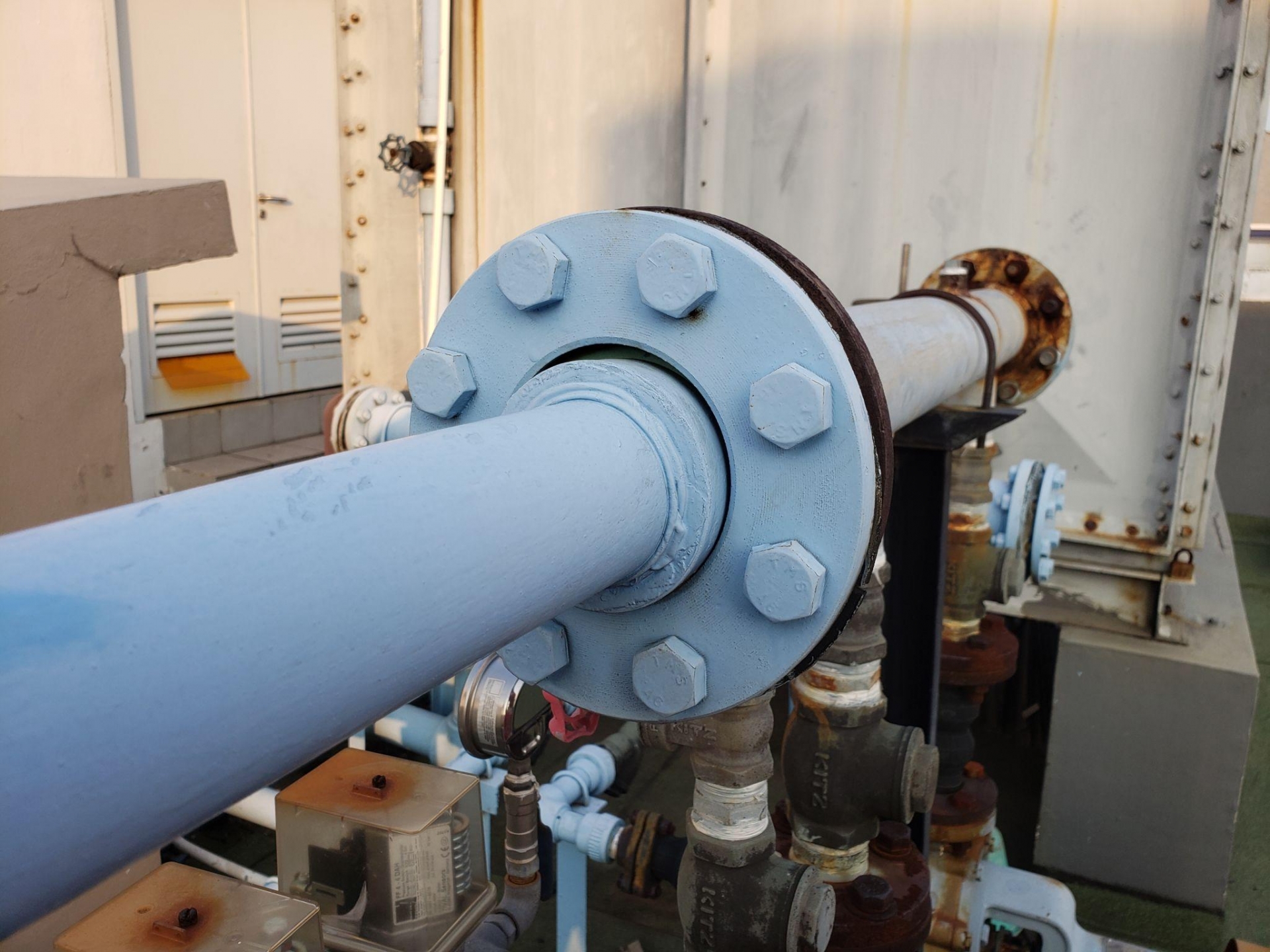
1. What is a Steel Flange?
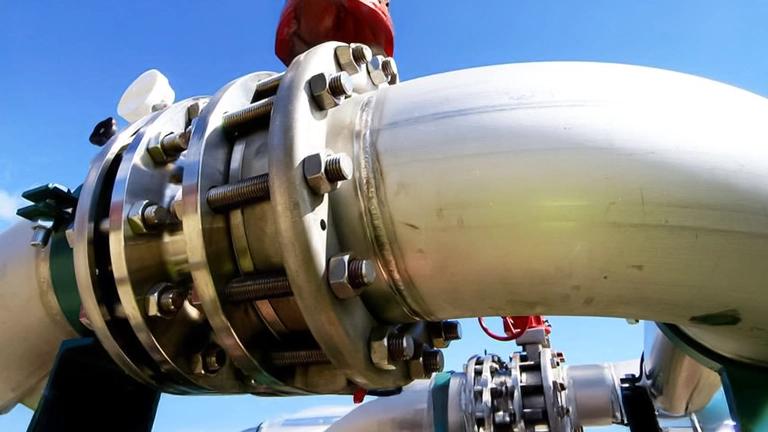
A steel flange is a mechanical component used to connect pipes, valves, pumps, and other equipment within a piping system. Flanges are typically bolted together with a gasket placed between the mating surfaces to create a secure, leak-tight seal.
Unlike welded joints, flange connections can be easily disassembled, making maintenance, inspection, and equipment replacement much more convenient.
Key Advantages of Steel Flanges
✔ Strong and reliable connections
✔ Easy installation and maintenance
✔ Excellent sealing performance
✔ Suitable for high-pressure and high-temperature applications
✔ Compatible with international standards
2. Structure of a Steel Flange
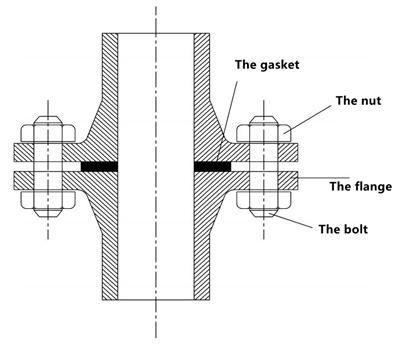
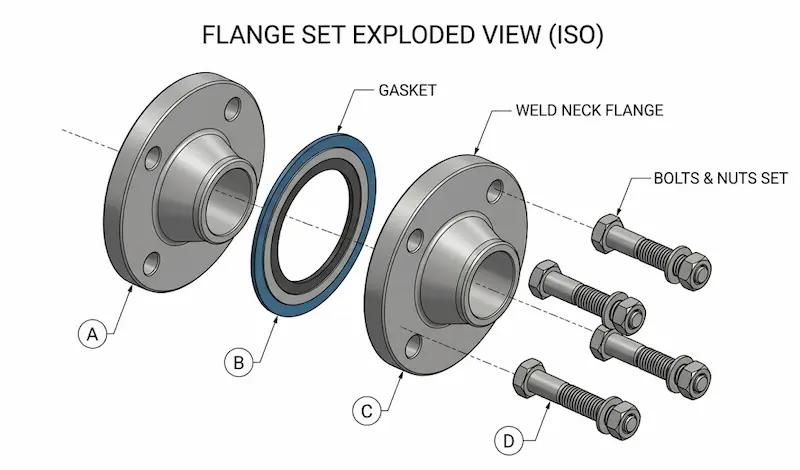
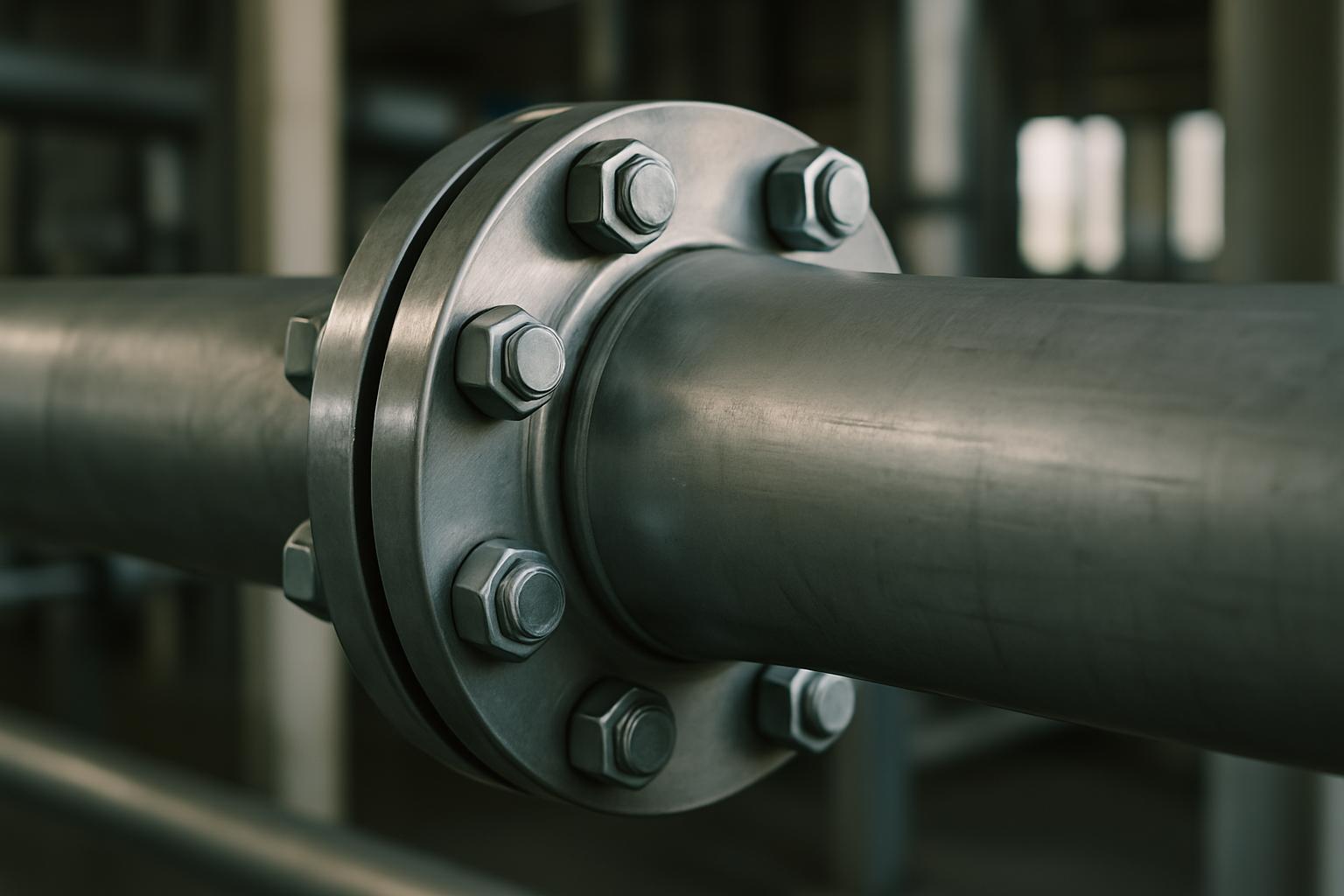
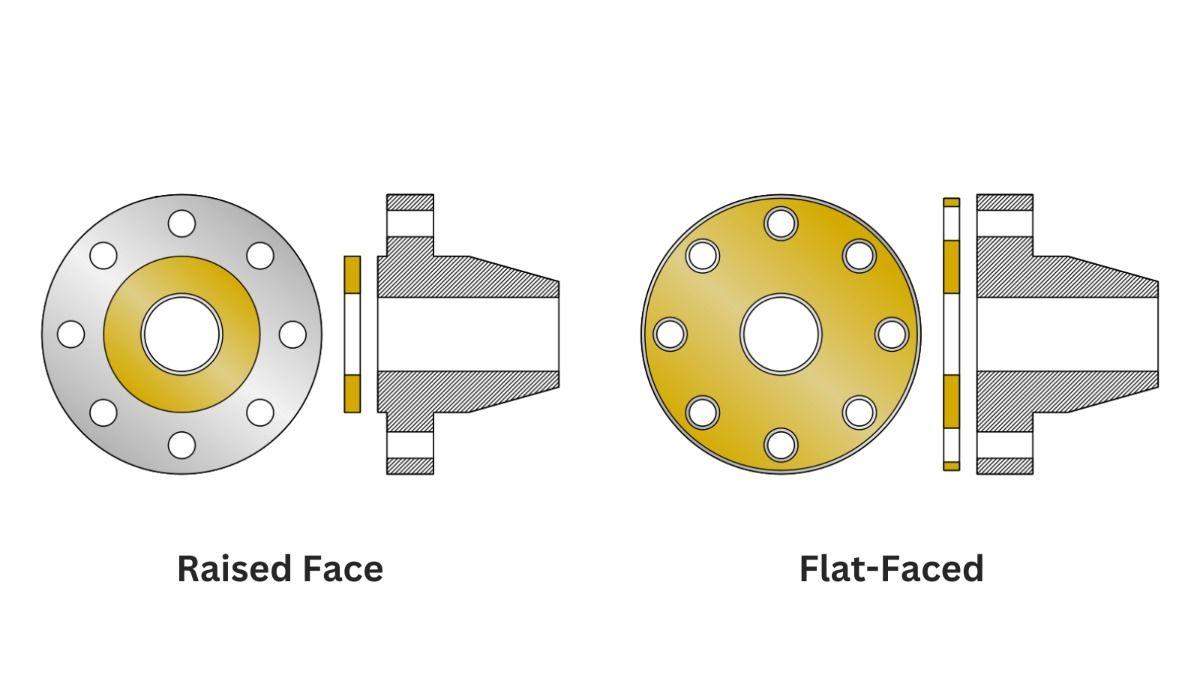
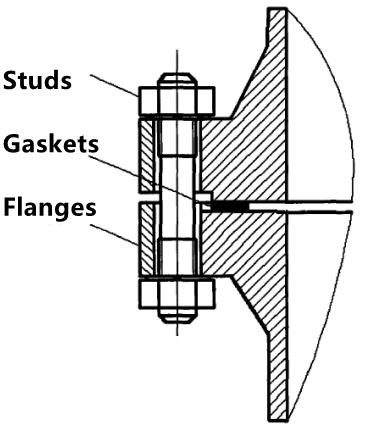
A standard steel flange generally consists of:
- Bore: The central opening that connects to the pipe.
- Flange Face: The sealing surface where the gasket is installed.
- Bolt Holes: Evenly spaced holes for bolts and nuts.
- Flange Body: The main structural part that withstands pressure.
- Gasket: Provides a leak-proof seal between two mating flanges.
When two flanges are bolted together, the gasket is compressed, creating a tight seal that prevents fluid or gas leakage.
3. Common Types of Steel Flanges
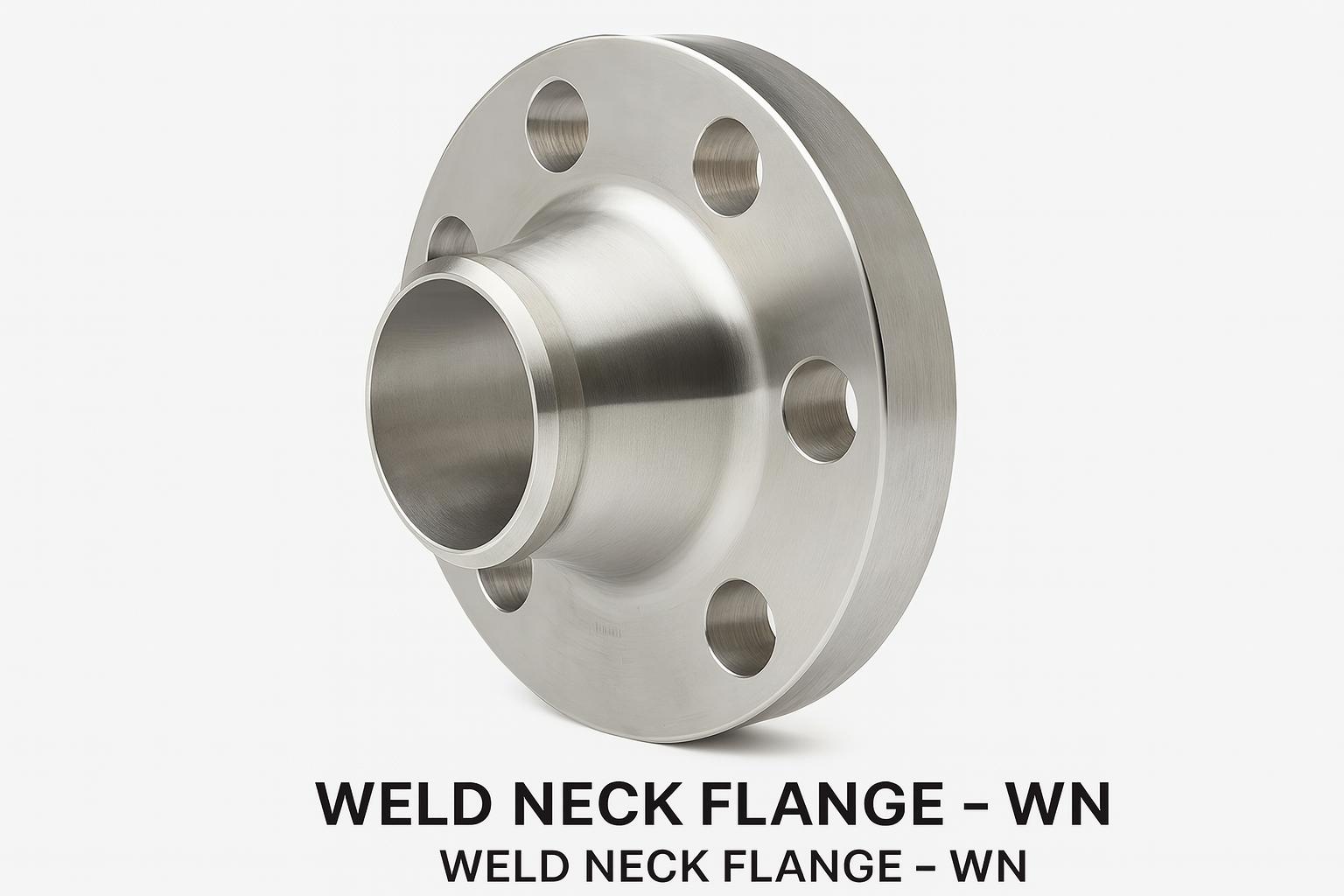
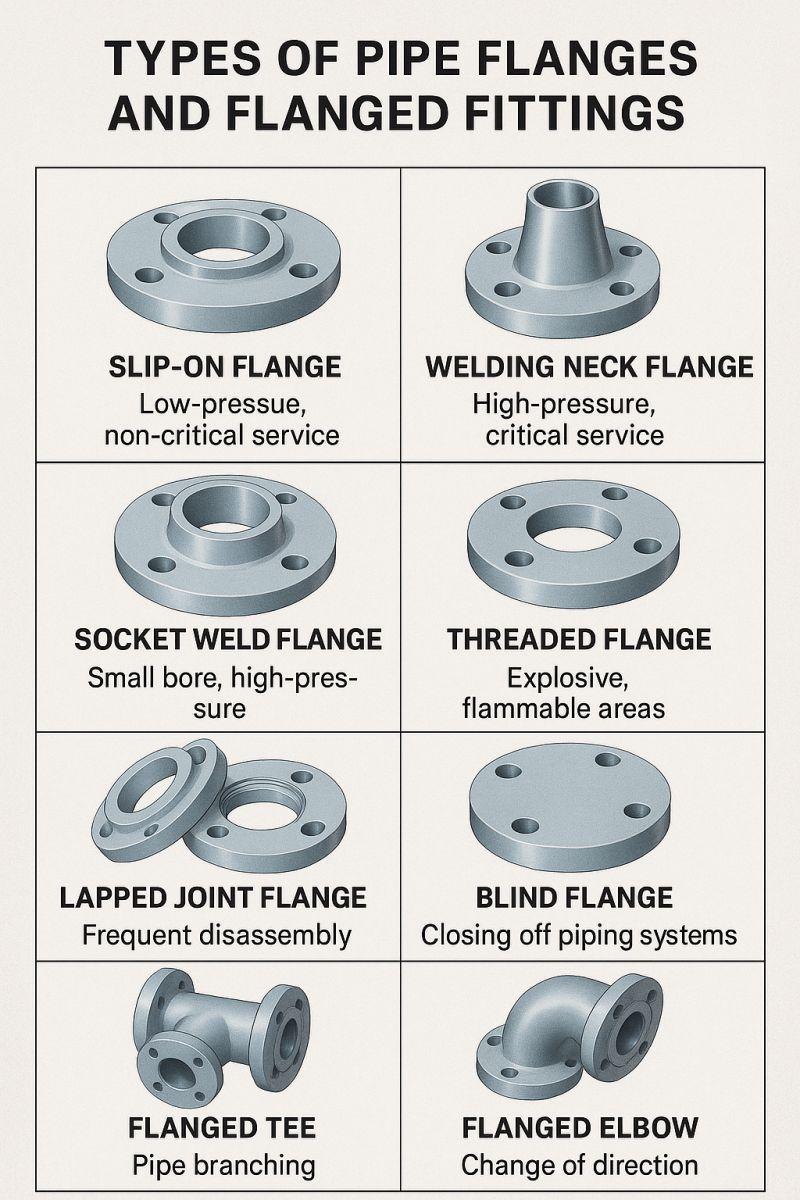
a. Welding Neck Flange (WN)
Features
- Long tapered hub
- Designed for high-pressure and high-temperature service
- Minimizes stress concentration at the weld
Typical Applications
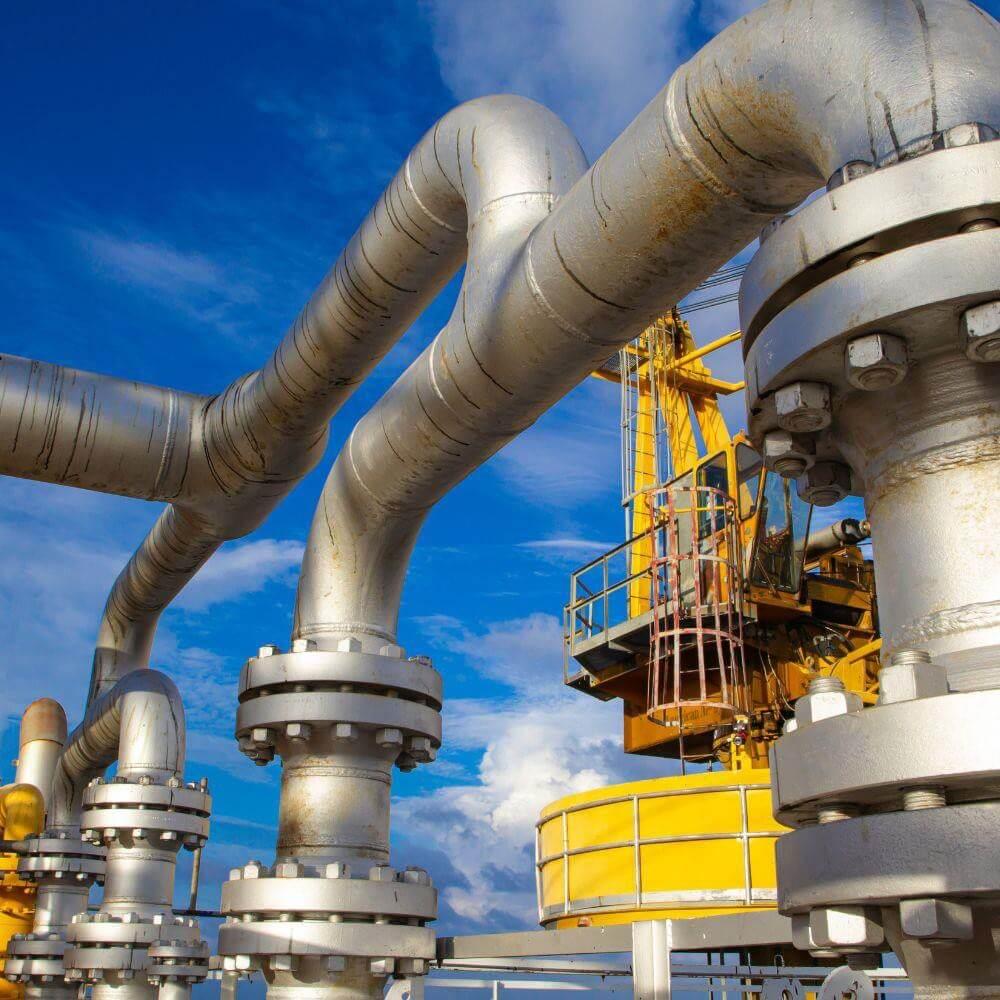
- Oil & gas pipelines
- Petrochemical plants
- Power stations
- High-pressure process piping
Advantages
- Superior mechanical strength
- Excellent fatigue resistance
- Long service life
b. Slip-On Flange (SO)
Features
- Pipe slips into the flange before welding
- Simple installation
- Cost-effective solution
Typical Applications
- Water supply systems
- HVAC systems
- General industrial piping
Advantages
- Easy to align
- Lower installation costs
- Suitable for moderate-pressure applications
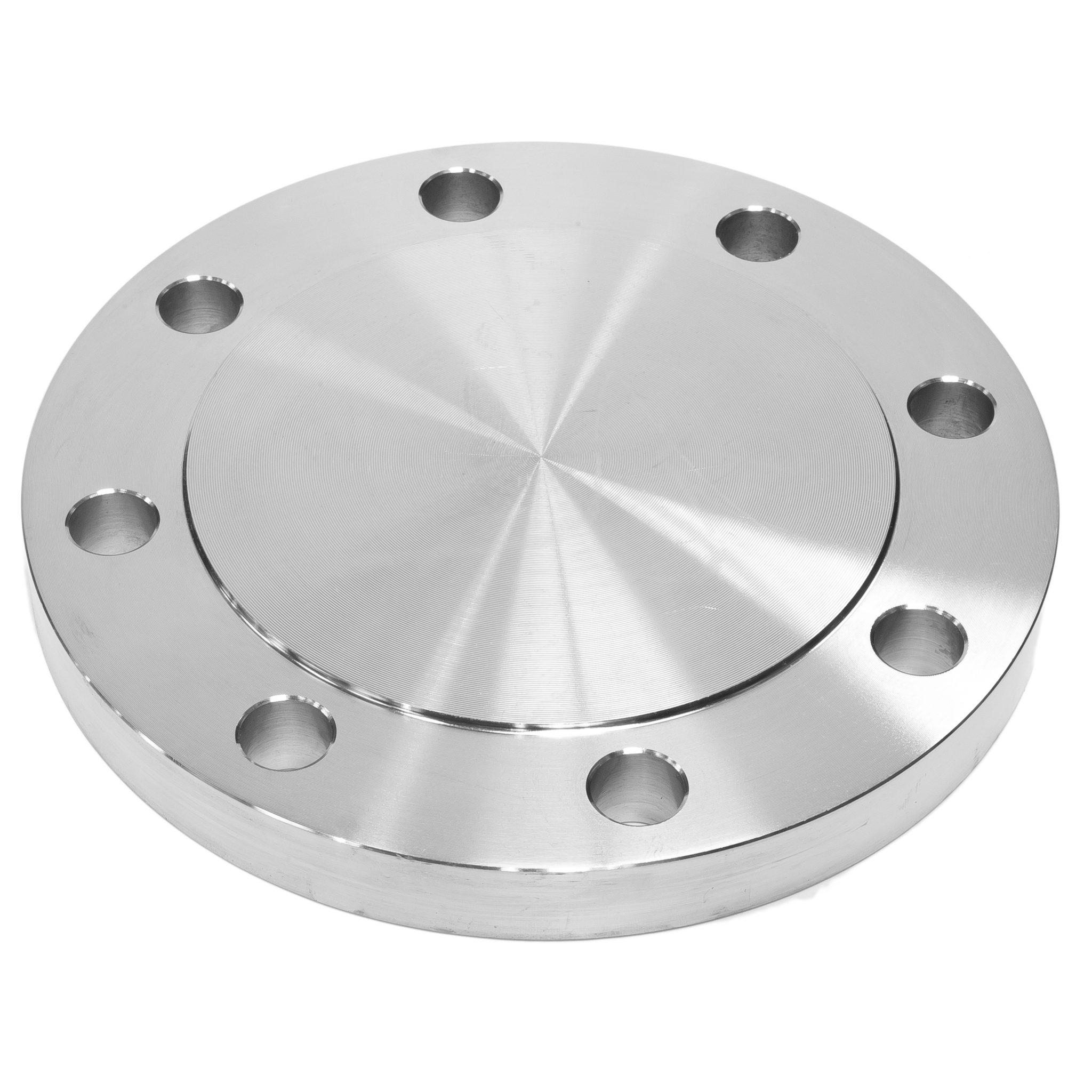
c. Blind Flange (BL)
A Blind Flange has no center bore and is used to close or seal the end of a pipeline or pressure vessel.
Applications
- Pipeline isolation
- Pressure testing
- Maintenance and future system expansion
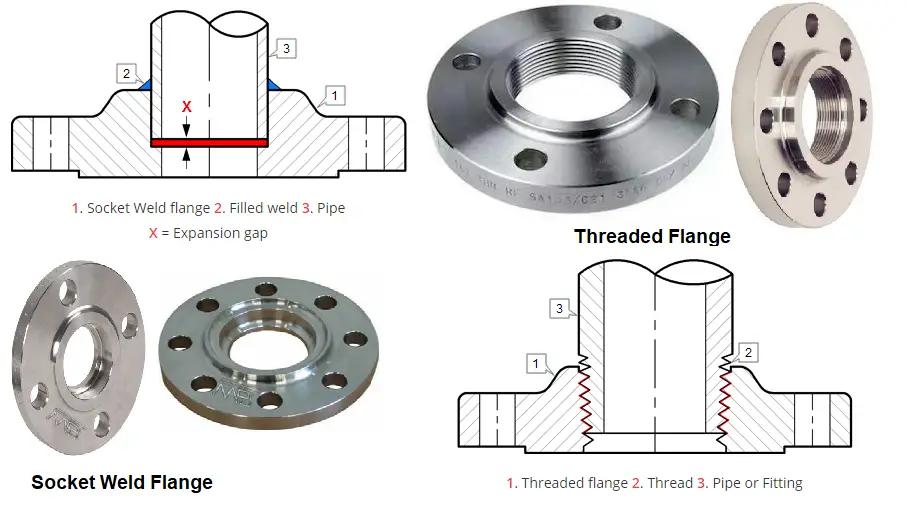
d. Threaded Flange
Features
- Internal threaded connection
- No welding required
- Ideal where welding is impractical
Applications
- Low-pressure systems
- Hazardous environments
- Temporary piping installations
e. Socket Weld Flange
Features
- Pipe is inserted into a socket before welding
- Excellent sealing performance
- Designed for small-diameter, high-pressure piping
Applications
- Hydraulic systems
- Steam lines
- Chemical processing plants
4. Materials Used for Steel Flanges
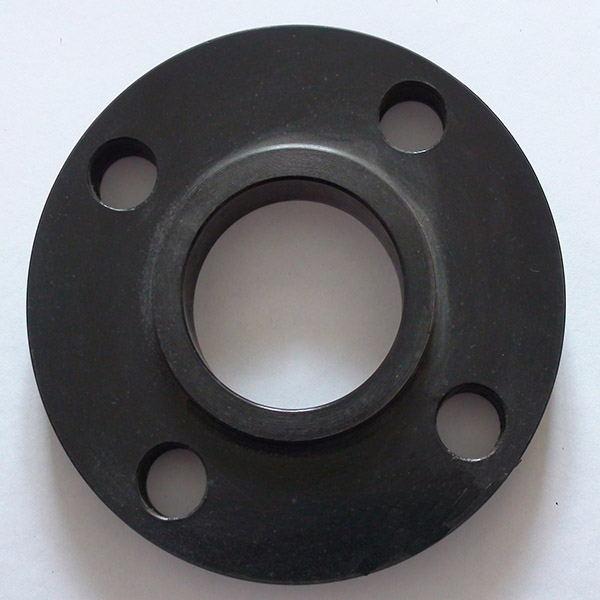
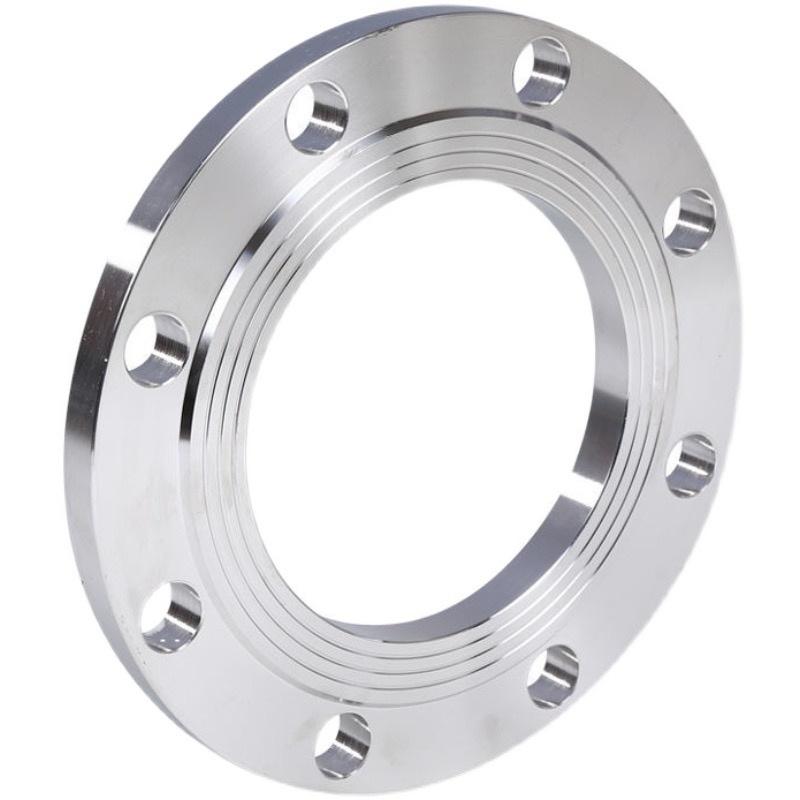
Steel flanges are manufactured from various materials depending on operating conditions.
Carbon Steel
Common grades include:
- ASTM A105
- SS400
- S20C
Benefits
- High strength
- Cost-effective
- Widely used in industrial applications
Stainless Steel
Common grades include:
- SS304
- SS316
- SS316L
Benefits
- Excellent corrosion resistance
- Hygienic surface
- Suitable for food, pharmaceutical, and chemical industries
Alloy Steel
Designed for demanding environments involving:
- High temperatures
- High pressures
- Aggressive chemicals
Typical applications include power plants and refineries.
5. Common Flange Standards
Selecting the correct flange standard is essential to ensure compatibility and system performance.
The most widely used standards include:
- ASME / ANSI B16.5
- JIS B2220
- DIN
- EN 1092-1
- BS
- GOST
Pressure Ratings
Common pressure classes include:
- Class 150
- Class 300
- Class 600
- Class 900
- Class 1500
6. Applications of Steel Flanges

7. How to Choose the Right Steel Flange
When selecting a steel flange, consider the following factors:
✅ Manufacturing standard (ASME, JIS, DIN, EN, etc.)
✅ Pipe size (Nominal Diameter)
✅ Pressure rating (Pressure Class)
✅ Material grade
✅ Operating environment (temperature, pressure, corrosion resistance)
Choosing the correct flange helps improve system reliability, reduce maintenance costs, and extend equipment life.
8. Conclusion
Although relatively small in size, steel flanges are vital components of every industrial piping system. Selecting the appropriate flange type, material, and standard ensures:
- Enhanced operational safety
- Reliable leak-tight performance
- Longer service life
- Lower maintenance costs
Whether your project requires Carbon Steel Flanges, Stainless Steel Flanges, or Alloy Steel Flanges, selecting products that comply with recognized international standards is essential for long-term performance.
Looking for High-Quality Steel Flanges?
CCN Vietnam supplies a wide range of Steel Flanges that comply with international standards such as ASME, ASTM, JIS, DIN, EN, and BS. We offer:
- ✔ Stable supply from trusted manufacturers
- ✔ Complete Mill Test Certificates (MTC), CO & CQ
- ✔ Competitive pricing
- ✔ Fast delivery
- ✔ Professional technical support
???? Contact us today to discuss your project requirements and receive a competitive quotation.
.png)
.png)