.png)
.png)
Mô tả
1. What are Zinc Plating and Hot-Dip Galvanizing?
Before delving into the differences, let's define them clearly:
Zinc plating (electrolytic zinc plating): This is the process of coating a thin layer of zinc onto the surface of steel using an electrochemical method. In this process, the steel is placed in a solution containing zinc ions, and a direct current is passed through it, causing the zinc ions to adhere and form a coating on the steel surface.
Hot-dip galvanizing: This is the process of immersing the entire steel product in a bath of molten zinc at a high temperature (approximately 450-460°C). The molten zinc reacts with the iron on the steel surface, forming alternating layers of iron-zinc alloy and an outer layer of pure zinc.
Essentially, both methods aim to protect steel from corrosion by creating a sacrificial coating (the zinc will corrode before the steel).
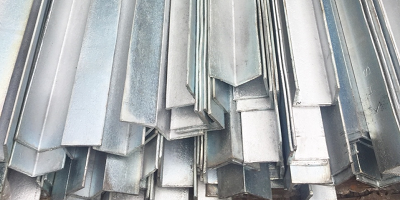
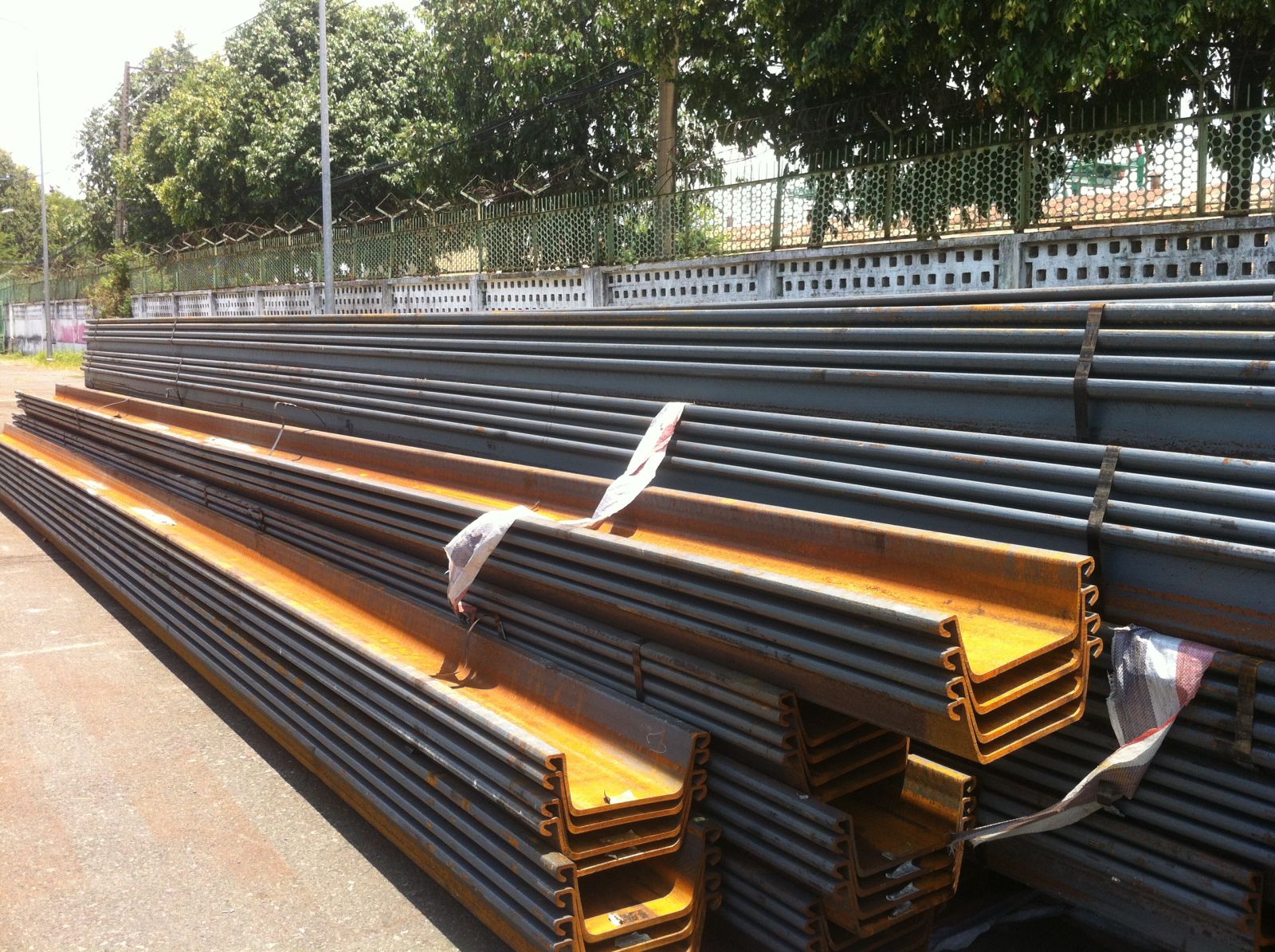
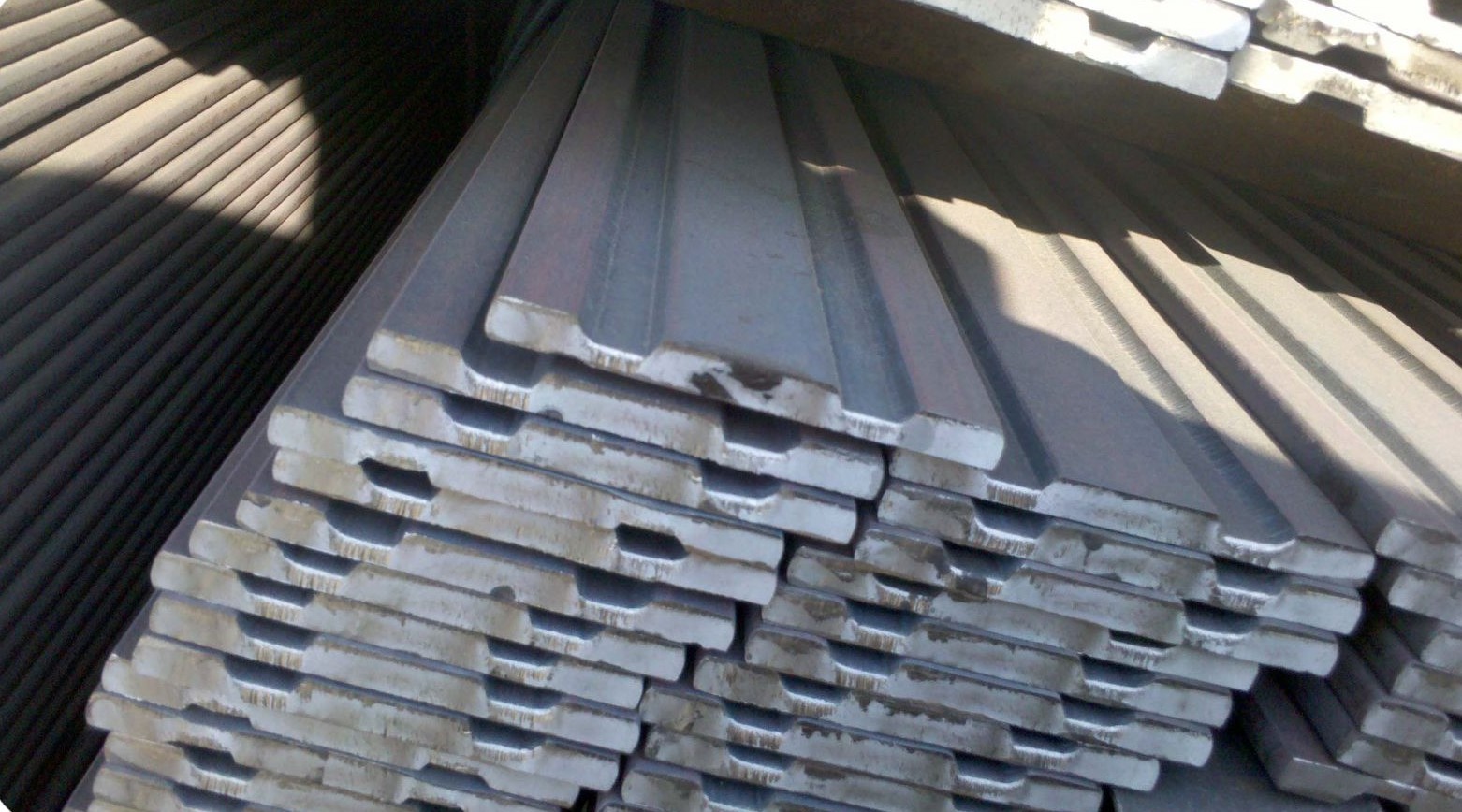
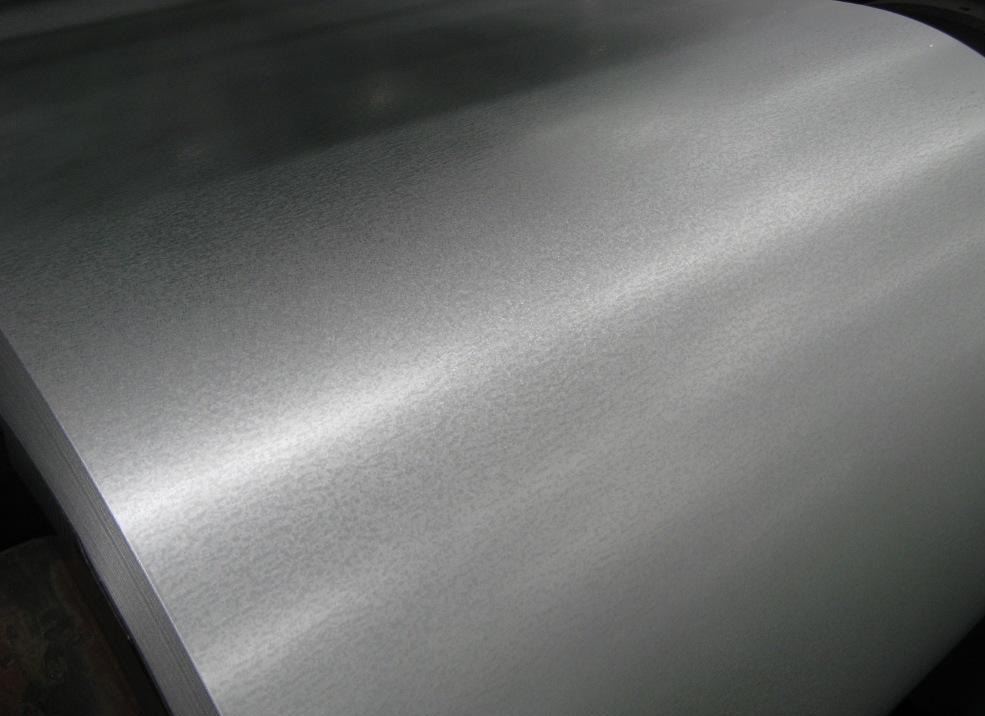
Galvanized or hot-dip galvanized V-shaped steel has high corrosion resistance.
2. Process: The Core Difference
The process is the main factor that creates the difference in properties between electro-galvanized and hot-dip galvanized V-shaped steel.
2.1. Hot-Dip Galvanizing Process
Receiving raw materials and production orders: The Production Department receives materials from the warehouse based on the production order and proceeds with the following steps.
Hanging the product on the jig: Using the correct type of jig and specialized equipment for the item, hang the hooks in the correct fixed position, ensuring they are secure and will not fall during movement.
Surface cleaning:
– Prepare a cleaning solution to clean the surface of the component. The cleaning solution should contain acid.
– When acid cleaning, pay attention to the water level in the cleaning tank, the concentration of the acid, the temperature of the water and acid mixture, the soaking time (depending on the type of component and thickness, the cleaning time should be adjusted accordingly), and the results of the cleaning process.
Inspection: QC visually inspects the cleaned components and records the results according to BM02/QT.01.
Water rinsing: This step requires attention to water pressure and cleanliness. If the water rinsing process does not ensure sufficient cleanliness, the surface cleaning step must be repeated.
Fluid dipping: The components are then dipped into a flux solution, with the solution temperature ranging from 70-90°C.
Drying: Drying on the furnace surface for approximately 60 seconds.
Zinc dipping: This step requires attention to the melting temperature of zinc, the cleanliness of the zinc, and the dipping speed. The plating bath temperature is always controlled at 430°C to 460°C. Before dipping, and especially before removing the steel from the plating bath, all slag from the surface of the bath must be removed to prevent slag buildup. The dipping speed should be approximately 1.5 m/minute.
Cooling: After being removed from the molten zinc bath, the product is immersed in a clean water bath for cooling.
Inspection: Visually inspect the surface of the plating, record the results according to BM02/QT.01. If the brightness is not sufficient, further processing is required.
Chromate Dipping: After being dipped in water for cooling, the product must be immediately dipped into a chromate solution to create a durable zinc chromate coating, provide color, maintain the zinc's shine for a long time, prevent graying due to oxidation, and limit white mold. The bath temperature is maintained at 30 – 65 °C.
Quality Inspection: This stage requires attention to the plating thickness, the weight of the plating per unit area, the mechanical strength of the plating, gloss, color, uniformity, appearance, etc., of the plating.
Record Keeping: Evaluate process indicators and keep records as stipulated in the Quality Manual.
2.2. Electroplating Process
Classification and Code Identification
Immersion Degreasing: Alkaline environment CP 20.5%, temperature 60 ± 50°C (15-20 minutes)
Water rinsing (3 times)
Acid Degreasing: H2SO4 10%, HCl 5%
Water rinsing: 3 times
Waiting bath: NaOH 2-3%
Anodizing Degreasing
Water rinsing (3 times)
Activation: HCl (3-5%)
Water rinsing (1 time)
Zinc Plating: NH4Cl ZnCl2
Water rinsing (3 times)
Color Passivation
Water rinsing (2 times)
Hot water rinsing: 60-1000°C
Compressed air cleaning
Convection drying: 60-1000°C (10-15 minutes)
Quality Control (QC): Check adhesion, plating thickness, color, and degree of Bright… if it doesn't meet the requirements, it will be put into the waiting stage.
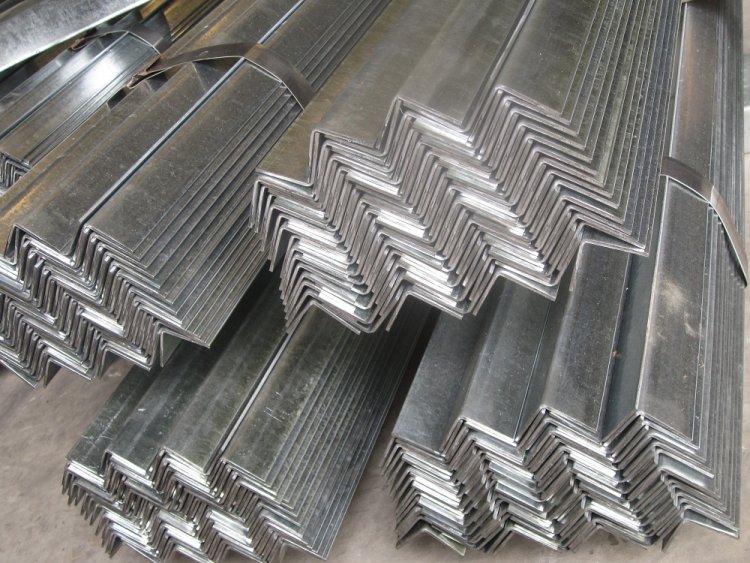
Galvanized V-shaped steel is extremely durable.
3. Advantages and Disadvantages: Detailed Comparison
To make a decision on "whether to use galvanizing or hot-dip galvanizing," a comparison of advantages and disadvantages is essential.
3.1. Electrolytic Galvanized V-shaped Steel
Advantages:
Smooth, shiny surface: The coating is thin and even, providing high aesthetic appeal, suitable for applications requiring a beautiful appearance.
Good control of coating thickness: Easily adjustable zinc coating thickness as required, usually very thin (about 5-25 micrometers).
No impact on the mechanical properties of steel: Because the process takes place at low temperatures, it does not cause structural changes or embrittlement of the steel.
Lower initial cost: Simpler process, consumes less energy than hot-dip galvanizing.
Disadvantages:
Poorer corrosion resistance: The coating is thin, easily scratched, and corrodes faster in harsh environments. The protection time is usually shorter.
Lower adhesion: The zinc layer only adheres to the surface without forming an alloy with the steel, so it is easily peeled off during strong impacts or machining.
Not able to cover gaps and hidden corners: It is difficult to ensure a uniform and thick coating in complex areas and small grooves.
Hydrogen embrittlement may occur: In some cases, the electrolysis process can cause hydrogen to penetrate the steel, making some types of high-strength steel brittle.
3.2. Hot-Dip Galvanized V-shaped Steel
Advantages:
Superior Corrosion Resistance: The thick coating (usually 60-100 micrometers or more depending on the steel thickness) is durable and creates iron-zinc alloy layers, providing long-lasting protection in harsh environments. Lifespan can reach 20-50 years.
Comprehensive Protection: Molten zinc penetrates every nook and cranny, crevice, and hole of the product, ensuring a uniform and airtight coating.
Self-Healing of Minor Scratches: Zinc has a sacrificial property, meaning it will corrode before the steel. Even if there are small scratches exposing the underlying steel, the surrounding zinc layer continues to protect the steel through cathodic protection.
Extremely High Adhesion: The iron-zinc alloy layer creates a strong metallurgical bond with the underlying steel, making it difficult to peel off.
Low lifecycle cost: Although the initial cost may be higher, the long lifespan and low maintenance requirements result in significant long-term cost savings.
Disadvantages:
Surface not very smooth: Thick coatings often create a slightly rough surface, not as smooth and shiny as electroplating. Zinc streaks may appear.
Possible deformation of thin steel: High temperatures during the hot-dip process can cause warping or deformation of thin steel products with complex shapes.
Higher initial cost: Due to the more complex and energy-intensive process.
Difficulty in precisely controlling coating thickness: Thickness depends on dipping time, temperature, and steel composition.
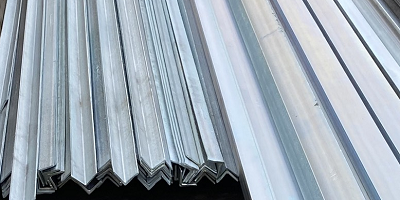
Both electro-galvanized and hot-dip galvanized V-shaped steel profiles have their own advantages and disadvantages.
4. Applications: Clear Distinction
Based on their advantages and disadvantages, the applications of the two types of galvanized V-shaped steel also differ significantly.
4.1. Applications of Electro-Galvanized V-shaped Steel
Interior and indoor applications: Where high aesthetics are required and the environment is less corrosive.
Electronic components: Small, precise parts.
Standard materials: Bolts, screws, and nuts that do not require extremely high corrosion resistance.
Household appliances: Frames and casings.
4.2. Applications of Hot-Dip Galvanized V-shaped Steel
Outdoor construction: Power poles, prefabricated steel building frames, scaffolding, railings, fences, bridges, pipelines. For example, galvanized V63 steel is often used for high-load structures requiring high durability in harsh environments.
Transportation industry: Road signs, streetlights, bridge components.
Marine and coastal structures: Due to high resistance to salt corrosion and humidity.
Agriculture: Greenhouse frames, livestock barns, irrigation systems.
Heavy industry: Equipment and machinery operating in chemical and humid environments.
5. Storage Instructions: Specific Notes for Each Type
Despite differences in manufacturing processes, both types of galvanized V-shaped steel require proper storage to optimize their lifespan.
5.1. General Storage
Dry, well-ventilated environment: Keep away from water sources and high humidity to prevent "white rust" on the zinc surface.
Avoid chemicals: Avoid direct contact with strong acids, alkalis, salts, and organic solvents.
Limit impacts and scratches: Especially important for electroplated steel due to its thinner coating.
Avoid stacking while wet: Ensure the product is completely dry before storage to prevent water accumulation causing localized corrosion.
5.2. Troubleshooting (Touch-up)
5.2. Troubleshooting (Touch-up)
Rainwater/Chemical Exposure: Dry immediately. If rust or white rust is present, clean with fine sandpaper and apply a specialized zinc-rich paint.
Zinc Peeling Due to Friction/Processing: For electro-galvanized V-shaped steel, the coating is more prone to peeling, so it needs to be treated immediately with zinc paint. For hot-dip galvanized steel, the ability to self-heal small scratches is better, but large scratches still require touch-up with zinc paint or molten zinc.
6. Should you choose electro-galvanized or hot-dip galvanized V-shaped steel?
The decision between electro-galvanized and hot-dip galvanized V-shaped steel depends on several factors:
**Operating Environment:**
Harsh environments (humid, chemical, coastal, outdoors, frequent exposure to rain and sun): Hot-dip galvanizing is the optimal choice due to its thick, durable coating and comprehensive protection.
**Less corrosive environments (indoors, dry, high aesthetic requirements): Electro-galvanizing may be more suitable in terms of cost and surface finish.
**Durability and Lifespan Requirements:** If durability for decades with minimal maintenance is required, hot-dip galvanizing is the top priority.
**Aesthetic Requirements:** If a smooth, shiny surface is the top priority and corrosion resistance is not a critical requirement, electro-galvanizing will be more suitable.
**Cost:**
**Initial Cost:** Electro-galvanizing is generally cheaper.
Lifecycle Cost: Hot-dip galvanizing has a lower lifecycle cost due to its longer lifespan and lower maintenance requirements.
Product Size and Thickness: Thin, complexly shaped steel products can be easily deformed during hot-dip galvanizing.
For example, for large structures subjected to heavy loads and direct environmental influences such as power poles, bridges, and large factory frames, using hot-dip galvanized V63 steel profiles is almost mandatory to ensure durability and safety. Meanwhile, interior decorative details or small machine parts can be electroplated.
Understanding the differences between these two methods will help you make informed decisions, ensuring your project is not only durable over time but also cost-effective and efficient.
.png)