.png)
Mô tả
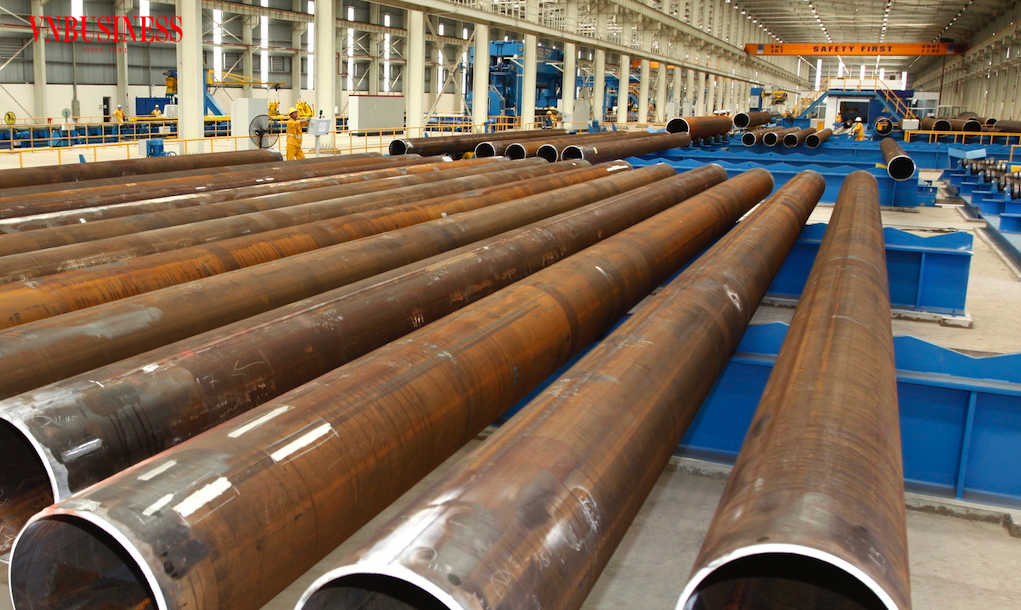
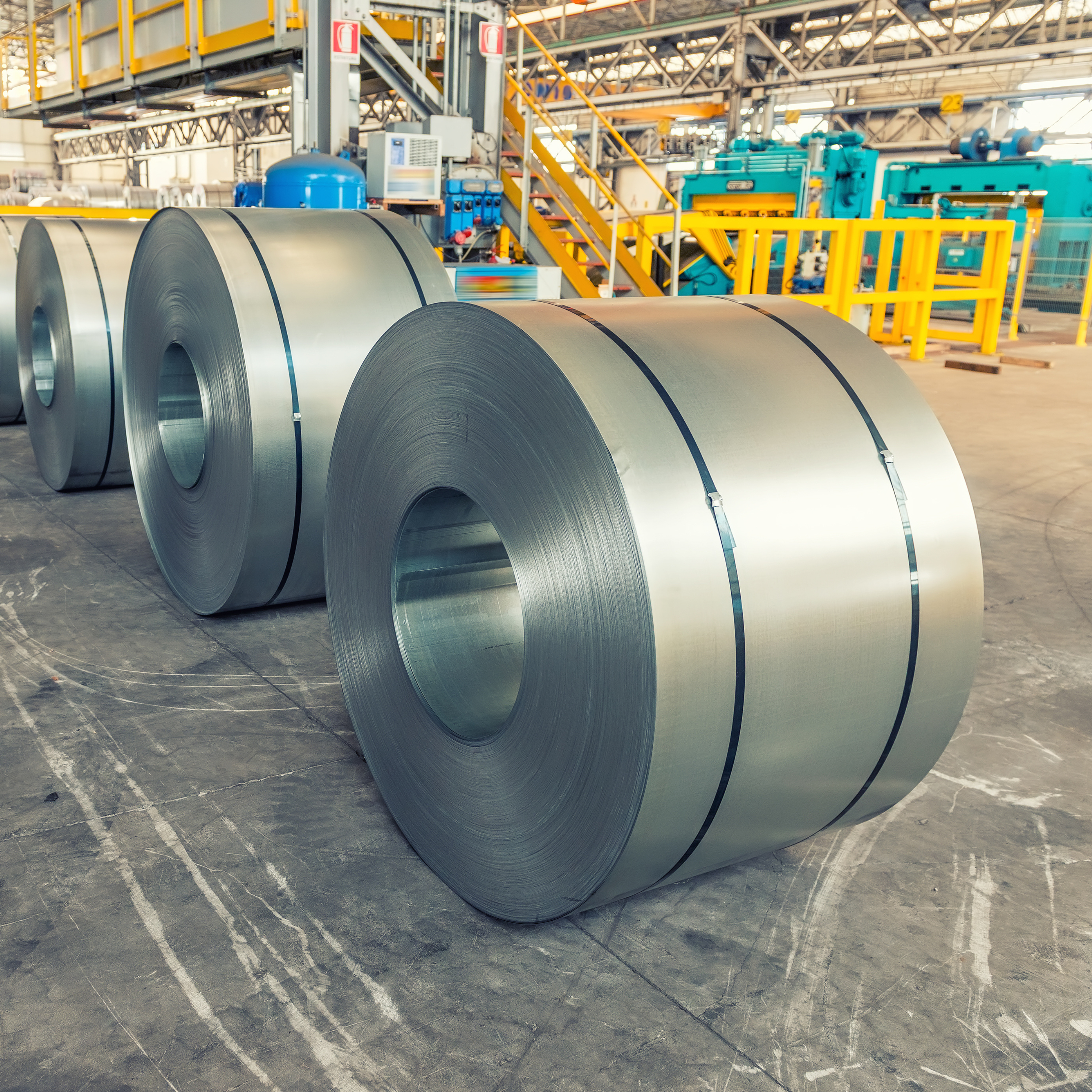
Iran used to be a major exporter of square and flat steel billets—basic products often shipped to mills elsewhere for processing into more specialized forms. However, US-Israeli attacks on the country's steel industry—along with the blockade of the Strait of Hormuz—halted that flow and opened the door for China.
According to customs data, exports of semi-finished steel from China rose to 1.64 million tonnes in April, only slightly below the record 1.75 million tonnes exported in August last year. Indonesia and Thailand, both of which have mills importing flat steel billets for rolling, were the top two destinations.
"Certainly, Chinese semi-finished steel has served as a substitute for similar products from Iran this year," said Tomas Gutierrez, an analyst at Kallanish Commodities. "Chinese-owned steel producers in Southeast Asia are also benefiting."
Iran's large-scale steel industry has been the target of numerous attacks from US and Israeli forces. The country's largest producer, Mobarakeh Steel, was forced to halt production, according to Nour News, while Khuzestan Steel—a key producer of square steel billets—was also attacked, and seaborne exports have essentially stalled.
Iran's steel exports have been subject to US sanctions for years, but the country has maintained shipments to other markets. Exports are projected to reach approximately 12 million tons in 2024, according to Citigroup.
The increasing volume of semi-finished steel products has been a key feature of China's steel exports over the past two years, as mills have faced both a slowdown in the domestic market and a wave of global trade measures primarily targeting finished steel products.
According to data released by the National Bureau of Statistics of China (NBS), Steel Orbis reported that in the first four months of this year, the country's output of pig iron, crude steel, and finished steel products reached 282.28 million tons, 331.12 million tons, and 471.94 million tons, respectively, representing decreases of 3.1%, 4.1%, and 1.3% compared to the same period last year.
The decline in crude steel output in the first four months of the year indicates that China's crude steel production continues its downward trend amidst supply-side structural reforms and efforts to self-regulate production within the steel industry.
In April alone, pig iron production reached 70.69 million tons; crude steel reached 83.63 million tons; and finished steel reached 122.63 million tons. Compared to the same period last year, these figures decreased by 3.6%, 2.8%, and 1.7% respectively; and compared to the previous month, the corresponding decreases were 3.5%, 3.9%, and 6.4%.
Source: Business and Commerce (H. Mỹ (According to Bloomberg, Steel Orbis))
.jpg)
.png)